Explore Palm Springs’ mid‑century modernism at your own pace. Self‑guided tours highlight iconic neighborhoods‚ celebrity homes‚ and signature design elements. Use free maps‚ apps‚ and local guides to navigate the desert landscape and discover architectural gems. Use the Modernism map for quick routes.
Historical Context of Mid‑Century Modernism in Palm Springs
Mid‑century modernism in Palm Springs emerged in the 1940s and 1950s as a response to post‑war optimism and the burgeoning leisure industry. The desert’s flat terrain‚ abundant sunshine‚ and sparse vegetation provided a canvas for architects who embraced open plans‚ large glass walls‚ and a seamless blend of indoor and outdoor spaces; Influential designers such as Richard Neutra‚ John Lautner‚ and William Krisel brought their signature styles to the region‚ creating homes that celebrated natural light‚ clean lines‚ and functional aesthetics. The city’s rapid growth during the 1950s‚ fueled by the influx of Hollywood elites seeking winter retreats‚ accelerated the construction of purpose‑built vacation homes that showcased the era’s architectural innovations. These residences often featured asymmetrical facades‚ cantilevered roofs‚ and an emphasis on spatial fluidity. The Palm Springs Modernism Committee‚ founded in 1999‚ has worked to preserve this heritage by cataloging historic properties‚ promoting restoration guidelines‚ and publishing a comprehensive self‑drive map that highlights key sites. The committee’s efforts have helped maintain the integrity of neighborhoods like Twin Palms‚ Vista Las Palmas‚ and Old Las Palmas‚ where the original mid‑century designs remain largely intact. Today‚ the city’s architecture is celebrated through annual festivals‚ guided tours‚ and educational programs that invite residents and visitors alike to experience the enduring legacy of mid‑century modernism in a desert setting.
Key Neighborhoods for Self‑Guided Tours
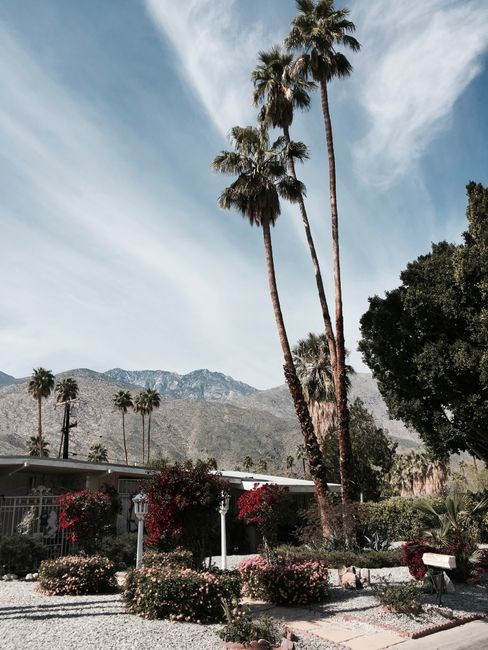
When planning a self‑guided architectural excursion‚ focus on the four most celebrated districts that embody Palm Springs’ mid‑century modernism. Twin Palms‚ the city’s original master‑planned subdivision‚ showcases a cohesive collection of 1940s and 1950s homes with clean lines‚ expansive glass‚ and a unified color palette. Vista Las Palmas‚ a newer development‚ offers a mix of mid‑century and contemporary designs‚ featuring open floor plans‚ cantilevered roofs‚ and a strong relationship between interior and exterior spaces. Old Las Palmas‚ the oldest residential area‚ preserves the earliest examples of modernist architecture‚ including the iconic “Elvis” honeymoon hideaway and the Marilyn Monroe house‚ both of which highlight the era’s emphasis on privacy and natural light. The surrounding “Sunset” district‚ while less formal‚ contains a wealth of private residences that reflect the experimental spirit of the period‚ with asymmetrical facades‚ natural stone‚ and creative use of color. Each neighborhood provides a distinct narrative: Twin Palms for architectural purity‚ Vista Las Palmas for evolution‚ Old Las Palmas for historical roots‚ and Sunset for experimental flair. By traversing these districts‚ visitors gain a comprehensive understanding of how mid‑century modernism adapted to Palm Springs’ desert environment and social context. This curated route allows enthusiasts to appreciate the evolution of design while enjoying the scenic desert backdrop.
Mid‑Century Architectural Features to Observe
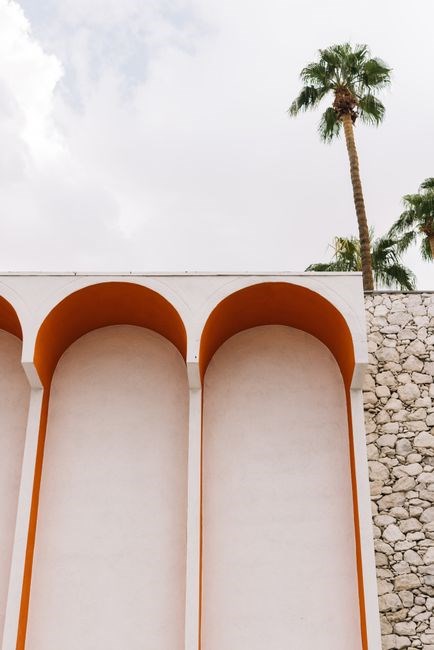
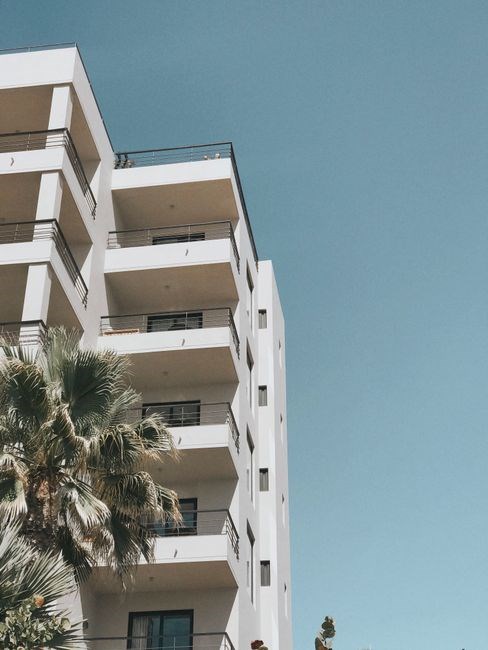
Mid‑century modernism in Palm Springs is defined by a set of recurring design motifs that respond to the desert climate and the era’s optimism. The most recognizable feature is the use of expansive glass walls that blur the boundary between interior and exterior‚ allowing natural light to flood living spaces while framing sweeping views of the surrounding mountains. Complementing this transparency are flat or gently sloping roofs‚ often cantilevered‚ that create dramatic silhouettes against the sky and provide shaded outdoor areas. Clean‚ unadorned lines dominate façades‚ with minimal ornamentation and a preference for geometric forms. Materials such as natural stone‚ stucco‚ and timber are employed in their raw or lightly finished states‚ grounding the structures in the local landscape. Open floor plans break away from compartmentalized Victorian layouts‚ encouraging fluid movement and social interaction. Asymmetrical massing and irregular window groupings add visual interest and reflect the era’s experimentation with form. Finally‚ the integration of indoor and outdoor living spaces—through covered patios‚ pergolas‚ and landscaped gardens—extends the home’s usable area and reinforces the connection to the desert environment. Color palettes often feature muted earth tones—beige‚ terracotta‚ sage—that echo the desert and. The era also popularized terrazzo floors and countertops‚ offering durability and a speckled aesthetic. These design choices collectively produce a timeless aesthetic that remains relevant and celebrated in contemporary Palm Springs architecture.
Notable Celebrity Homes and Their Significance
Palm Springs has long been a playground for Hollywood’s elite‚ and its mid‑century homes reflect that glamorous history. The most famous is the Elvis Presley honeymoon hideaway‚ a sleek‚ glass‑paneed villa that exemplifies the era’s love of transparency and indoor‑outdoor flow. Its open layout and dramatic views of the San Jacinto Mountains made it a perfect retreat for the King of Rock. Nearby‚ the Marilyn Monroe house—originally built for a different star—was later purchased by Monroe’s husband and became a symbol of the city’s celebrity allure. The house’s bold‚ angular façade and expansive windows echo the modernist aesthetic that attracted many film stars. Other notable homes include the “Blue House” owned by the late singer Frank Sinatra‚ whose turquoise exterior and minimalist interior showcase the playful side of mid‑century design. The “Red House” of director Alfred Hitchcock features a striking red stucco finish and a dramatic‚ cantilevered roof that has become an icon in architectural photography. These residences not only offer architectural insight but also serve as cultural touchstones‚ illustrating how Hollywood’s influence shaped Palm Springs’ identity and cemented its status as a mid‑century modernism hub. These residences‚ while private‚ have become pilgrimage sites for architecture lovers‚ offering glimpses into the personal tastes of stars and the broader cultural narrative that shaped Palm Springs as a modernist enclave. Preservation by local groups keeps these homes open‚ letting visitors appreciate the ingenuity that defined a desert oasis.
Planning Your Route: Self‑Drive Map Resources
For a seamless self‑guided adventure‚ start with the official Modernism Palm Springs self‑drive map‚ available for purchase at the Visitor Center or online. This detailed guide pinpoints key landmarks‚ drive‑by spots‚ and hidden gems‚ ensuring you capture every architectural nuance. Complement the map with the free Modernism Week app‚ which offers interactive navigation‚ photo prompts‚ and historical context for each site. The app’s GPS feature lets you follow a curated route or create a personalized itinerary‚ adjusting stops based on time or interest. Additionally‚ the Palm Springs Visitor Center provides downloadable PDF maps that highlight neighborhood boundaries—Twin Palms‚ Vista Las Palmas‚ and Old Las Palmas—allowing you to plan a logical loop that maximizes visual impact. By combining these resources‚ you can tailor a route that balances iconic homes with lesser‑known masterpieces‚ ensuring a comprehensive exploration of Palm Springs’ mid‑century modernism.
Travelers can also consult the Palm Springs Modernism Committee’s online forum‚ where enthusiasts share real‑time updates‚ photo galleries‚ and insider tips about street closures or seasonal events. Before heading out‚ check the city’s official website for any construction notices that might affect access to certain homes. By leveraging these resources‚ you’ll navigate the desert landscape with confidence‚ ensuring every architectural highlight is within reach.
Finally‚ remember to download an offline map of the area to avoid data loss in remote desert stretches. The modernism app includes a “no‑internet mode” that stores all route information locally. Many visitors also use a dedicated GPS device with pre‑loaded routes‚ which can be synced with the app for real‑time navigation. By combining official maps‚ community insights‚ and reliable technology‚ you’ll craft a route that feels both structured and spontaneous‚ allowing you to fully appreciate Palm Springs’ architectural legacy. Enjoy the drive!
Using Mobile Apps for Guided Exploration
Mobile apps are essential for self‑guided architecture tours in Palm Springs‚ providing real‑time navigation‚ historical context‚ and interactive features. The Modernism Week app‚ from the Palm Springs Modernism Committee‚ offers a curated map of key mid‑century homes. Users toggle between a “drive‑by” mode highlighting exterior features and a “walk‑through” mode guiding them to interior viewpoints. The app’s “photo challenge” prompts visitors to capture design elements—cantilevered decks‚ glass walls‚ sculptural doors—earning shareable badges.
Those preferring narrative use the Palm Springs Architecture Guide app‚ which delivers audio commentary from local historians and architects‚ sharing anecdotes about designers. Both apps run on iOS and Android‚ supporting offline use for weak coverage.
General navigation tools like Google Maps or Waze can be customized with pins for each landmark‚ letting users plan routes. “Street View” lets visitors preview a façade before arrival‚ while the AR‑View app overlays historical photos onto scenes.
Keep your device’s battery charged and download all maps before departure. Leveraging these apps turns a simple drive into an educational journey‚ revealing choices that define Palm Springs’ heritage.
Users can activate the app’s historical overlay‚ layering photographs over views to compare evolution!.
If you’re curious about the architects behind the masterpieces‚ the app includes a biographical sidebar for each home‚ detailing their career milestones and design philosophy
Parking and Accessibility Considerations
Parking is a critical factor for self‑guided tours‚ especially in the high‑traffic Twin Palms and Vista Las Palmas neighborhoods. Most residential streets offer metered parking; however‚ the Palm Springs Visitor Center’s Modernism map lists dedicated visitor lots near key landmarks such as the Elrod House and the Palm Springs Art Museum. Visitors should check the “Parking” tab in the Modernism Week app for real‑time availability and alternative spots.
Accessibility varies by property. While many homes feature wide‚ paved driveways‚ some older sites lack curb cuts or wheelchair‑friendly pathways. The app’s “Accessibility” overlay flags properties with ramps‚ accessible entrances‚ and ADA‑compliant restrooms. For those with mobility concerns‚ the Palm Springs City website lists public parking with accessible spaces and provides a downloadable “Accessibility Guide” PDF.
Parking etiquette is essential: stay within marked spaces‚ avoid blocking driveways‚ respect private property. If a property is marked “No Parking‚” use nearest public lot and walk short distance. Always observe posted signs and local regulations. For visitors with special needs‚ contacting the property’s owner or the Palm Springs Historic Preservation Board before arrival can secure a suitable parking arrangement. Finally‚ consider daylight hours; plan to park in shaded areas early. Remember to check local parking regulations before departure to avoid heat. Parking fees are typically $5 per day. OK.
Safety and Etiquette When Visiting Private Residences
When exploring Palm Springs’ homes‚ respect private property. Keep at least ten feet from any house line‚ and never walk onto a driveway or cross a private sidewalk. The Modernism Week app lists “Private” or “Closed” sites; the “Property Notes” confirm interior access. If marked “Private‚” observe only from the street or a public viewpoint‚ never through unlocked doors or windows.
Photography etiquette matters. Exterior shots are usually fine‚ but ask permission before photographing interiors or unique details. Avoid close‑up images of windows or doors that could feel invasive. If you want a particular feature‚ use a wide‑angle lens from a respectful distance and keep the frame free of personal items. Many owners appreciate a quick “thank you” and a brief explanation of why you’re photographing their home.
Noise control is essential‚ especially in quiet neighborhoods. Keep conversations‚ music‚ and radio volume low to avoid disturbing neighbors. Bring a reusable water bottle‚ sunscreen‚ and a hat to stay comfortable while you observe. Carry a small bag with a notebook to jot down architectural observations; this keeps you focused and prevents accidental damage. Finally‚ if you encounter a homeowner or staff member‚ greet them politely‚ introduce yourself‚ and ask if you may take a quick photo or ask a question. A courteous approach fosters goodwill and ensures future visitors can enjoy the same experience. Remember to leave no trace returnany items.
Complementary Cultural Attractions Along the Tour
Beyond the architectural highlights‚ the city’s vibrant arts scene offers galleries‚ live music venues‚ and seasonal festivals that celebrate design heritage. The Palm Springs Art Museum’s rotating exhibitions showcase works from local and international artists‚ while the nearby Desert Art Center provides a quiet space for contemplation. Visitors can also enjoy the annual Palm Springs International Film Festival‚ which draws filmmakers worldwide‚ reinforcing the city’s reputation as a creative hub.
Beyond the architectural highlights‚ the city’s arts scene offers galleries‚ live music venues‚ and seasonal festivals that celebrate design heritage. The Palm Springs Art Museum’s rotating exhibitions showcase works from local artists‚ while the nearby Desert Art Center provides a quiet space for contemplation. Visitors can also enjoy the annual Palm Springs International Film Festival‚ which draws filmmakers worldwide‚ reinforcing the city’s reputation as a hub OK!!
Suggested Timeframes and Seasonal Tips
Planning the ideal window for a self‑guided architecture tour hinges on weather‚ crowd levels‚ and seasonal events that enrich the experience. The desert climate offers mild temperatures from October through April‚ making early‑morning or late‑afternoon drives preferable to avoid midday heat. During this period‚ the sun casts long shadows that accentuate the clean lines and geometric forms of mid‑century homes‚ while the cooler air keeps interiors comfortable for on‑site visits.
Summer months (June to September) can reach 100°F+‚ so schedule stops during the cooler dawn or dusk hours. Many homes offer guided tours or open‑house events in the evenings‚ providing a unique perspective as the sun sets over the Coachella Valley‚ where the desert light transforms architectural lines into dramatic silhouettes.
Spring and fall are ideal for combining architecture with outdoor activities. The Palm Springs Desert Museum hosts seasonal exhibits and offers guided nature walks that complement the architectural narrative.
When traveling during holiday periods (Thanksgiving‚ Christmas‚ and New Year’s)‚ anticipate increased traffic and limited parking at popular sites. Arriving early (before 9 a.m.) ensures access to high‑profile homes and reduces wait times. Weekdays in the off‑season (late May or early November) provide quieter streets and lower accommodation costs‚ ideal for extended exploration.
Finally‚ always check the official Palm Springs Visitor Center for updated event calendars‚ parking regulations‚ and any temporary closures. By aligning your tour with favorable weather‚ cultural events‚ and strategic timing‚ you’ll maximize both the visual impact of the architecture and the overall enjoyment of the Palm Springs experience. Enjoy the journey!See you
Feedback and Community Resources for Enthusiasts
Engage with fellow architecture aficionados through a variety of platforms that celebrate Palm Springs’ modernist heritage. The Palm Springs Modernism Committee hosts monthly meet‑ups and photo walks‚ offering a chance to share observations‚ swap itineraries‚ and discover lesser‑known gems. Their newsletter‚ distributed quarterly‚ features in‑depth profiles of architects‚ restoration projects‚ and upcoming public tours. For digital interaction‚ the subreddit r/palmsprings is a vibrant hub where users post recent finds‚ coordinate group drives‚ and discuss preservation efforts. The community’s “Mid‑Century Photo Challenge” encourages participants to capture iconic façades and interior details‚ fostering a shared visual archive. Additionally‚ the Palm Springs Historical Society offers a volunteer docent program; trained guides provide free‚ informal talks at selected sites‚ enriching the self‑guided experience with contextual anecdotes. For those who prefer structured learning‚ the Modernism Week app delivers curated audio guides‚ interactive maps‚ and augmented‑reality overlays that reveal original design intentions. Finally‚ local cafés and art galleries often host “Architecture After‑Hours” events‚ where experts give talks and attendees can view high‑resolution images of historic homes. By tapping into these resources‚ you not only enhance your own tour but also contribute to a living dialogue that preserves and celebrates the region’s architectural legacy.
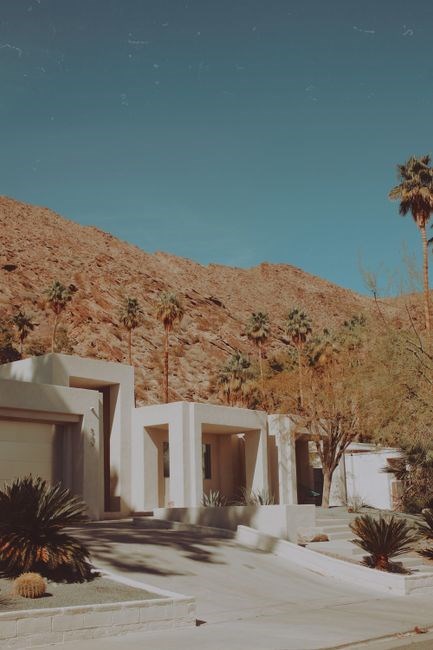
Annual design contests invite enthusiasts to propose restoration plans for homes‚ with winners gaining mentorship from architects and speaking slots at the Palm Springs Expo‚ fostering the dialogue.!!
Maximizing Your Architectural Experience
After mapping out your route‚ the true value lies in how you engage with each site. Start early to catch the soft desert light that accentuates the clean lines and expansive glazing typical of mid‑century modernism. Pause at each landmark‚ noting the interplay of natural materials‚ asymmetrical forms‚ and the seamless indoor‑outdoor transitions that define the style. Use the Modernism Week app to overlay original plans and discover hidden details‚ such as hidden skylights or custom cabinetry‚ that reveal the architect’s intent.
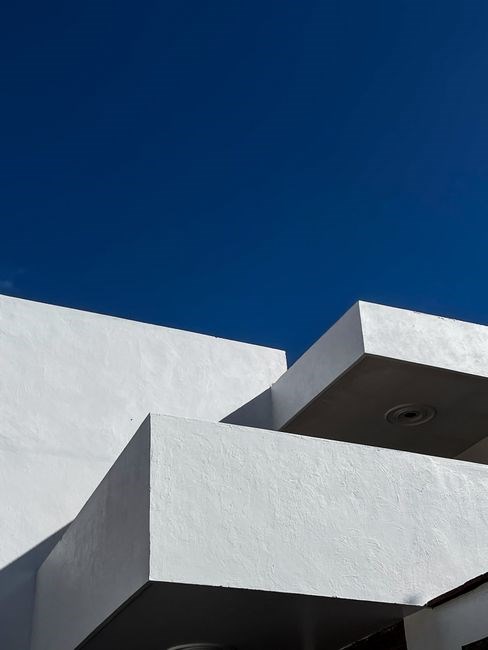
When you encounter a celebrity residence‚ take a moment to reflect on how the home’s design contributed to the public image of its owner‚ enriching your understanding of cultural context. Capture high‑resolution images from multiple angles‚ then share them on community forums to spark discussion and receive feedback from seasoned enthusiasts. If time allows‚ visit the nearby Palm Springs Art Museum’s modernist collection for comparative study‚ noting how the architectural language translates into visual arts.
Finally‚ record your observations in a travel journal‚ annotating each address with personal reflections and technical notes; this practice not only solidifies memory but also creates a resource for future travelers. By blending visual appreciation‚ technological tools‚ and community interaction‚ you transform a simple drive into a comprehensive‚ immersive exploration of Palm Springs’ architectural legacy. Remember to respect private property‚ keep noise low‚ and leave no trace‚ ensuring that future generations can also enjoy this unique desert oasis.