Embark on a chilling journey through Victorian London, tracing the steps of a notorious killer! This self-guided tour delves into the dark history surrounding Jack the Ripper, exploring the atmospheric streets of Whitechapel and uncovering the mysteries that still linger today.
Access Outlook email, calendar, and Office apps – a comprehensive suite for staying connected and productive, mirroring the era’s communication challenges during the Ripper investigation.
Historical Context of Whitechapel
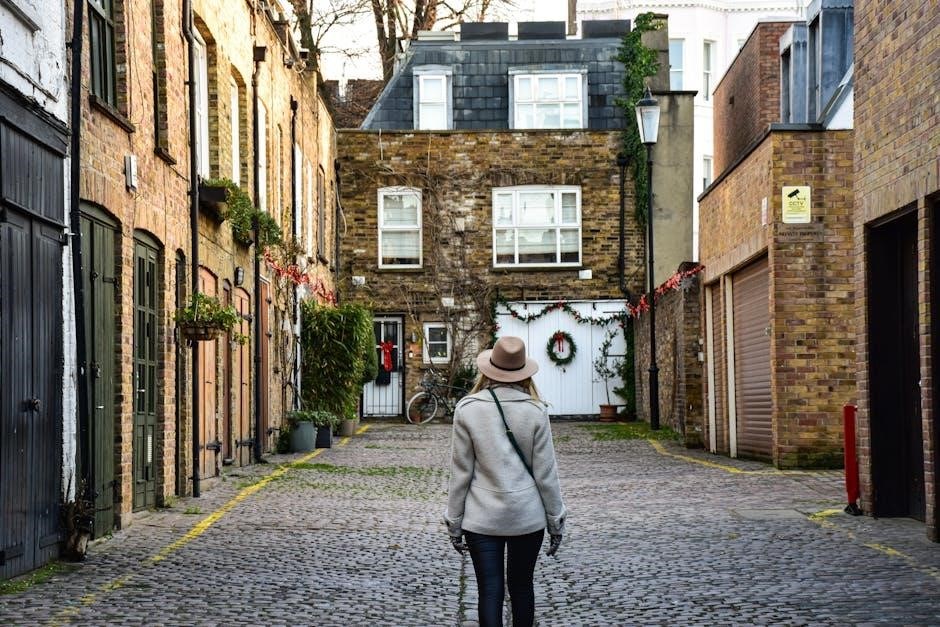
Whitechapel in the late 19th century was a district steeped in poverty and social unrest. A dense, overcrowded area, it served as a magnet for immigrants and the working class, creating a breeding ground for crime and desperation. The area’s infrastructure struggled to cope with the rapid population growth, resulting in squalid living conditions and widespread disease.
This environment fostered a sense of anonymity, allowing individuals to disappear easily and crimes to go unreported. The Metropolitan Police, still relatively young at the time, faced significant challenges in policing such a complex and chaotic district. Access to resources like Outlook’s organizational tools would have been invaluable for managing investigations amidst the era’s communication limitations.
Furthermore, Victorian societal norms and prejudices played a role, with the victims – predominantly impoverished women – often marginalized and overlooked. Understanding this historical backdrop is crucial to comprehending the context in which the Ripper murders occurred and the difficulties faced by investigators.
The Five Canonical Victims
The “canonical five” are the victims most consistently linked to Jack the Ripper, based on the similarity of the murders and evidence available. These women – Mary Ann Nichols, Annie Chapman, Elizabeth Stride, Catherine Eddowes, and Mary Jane Kelly – represent the tragic human cost of the Ripper’s crimes.
Each victim led a life marked by poverty and hardship, often resorting to prostitution to survive. Their stories, though often obscured by sensationalism, deserve to be remembered with respect and dignity. Investigating these cases, even today, requires careful consideration of the social context and the challenges faced by women in Victorian London.
Modern tools, like Outlook’s calendar and note-taking features, could have aided in organizing the complex timelines and details surrounding each victim’s last known movements, potentially offering new insights into the investigation.
Planning Your Self-Guided Tour
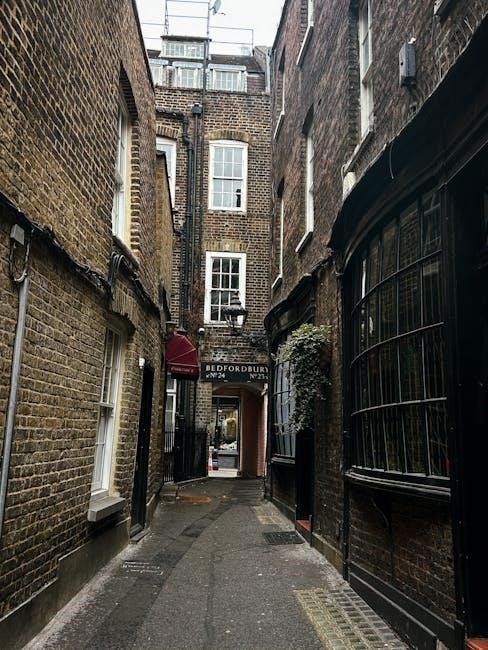
Prepare for an immersive experience! Utilize maps, apps, and consider the time of year for optimal exploration of Whitechapel’s haunting streets and historical sites.
Outlook’s accessibility across devices mirrors the need for investigators to share information quickly during the Ripper case.
Best Time to Take the Tour
Timing is crucial for an atmospheric experience. Spring (April-May) and Autumn (September-October) offer milder weather, avoiding the peak tourist crowds of summer and the potential chill of winter. These seasons provide a more evocative ambiance, enhancing the tour’s eerie feel.
Evenings, particularly around dusk, are highly recommended. This mirrors the timeframe when the Ripper committed his crimes, adding a layer of authenticity and suspense to your exploration. However, prioritize safety – Whitechapel is a bustling area, even today. Weekdays generally experience fewer visitors than weekends, allowing for a more contemplative experience.
Consider checking for local events or festivals that might impact accessibility or crowd levels. Utilizing Outlook’s calendar features can help you plan around potential disruptions, ensuring a smooth and immersive journey into the dark heart of Victorian London. Remember to dress comfortably for walking!
Essential Resources: Maps & Apps
Navigating Whitechapel requires preparation. A detailed historical map of the area, specifically from the 1880s, is invaluable for understanding the original street layout and identifying locations that have changed over time. Modern street maps, readily available via Google Maps or Citymapper, are essential for practical navigation.
Several Jack the Ripper walking tour apps offer GPS-guided routes, historical information, and even audio commentary. These apps often include photographs and witness statements, enriching the experience. Utilizing Outlook’s accessibility features on your smartphone ensures easy access to these resources on the go.
Don’t rely solely on technology; a physical guidebook can provide deeper context and alternative perspectives. Remember to download maps and app content beforehand to avoid data roaming charges and ensure functionality in areas with limited signal.
The Tour Route: Key Locations
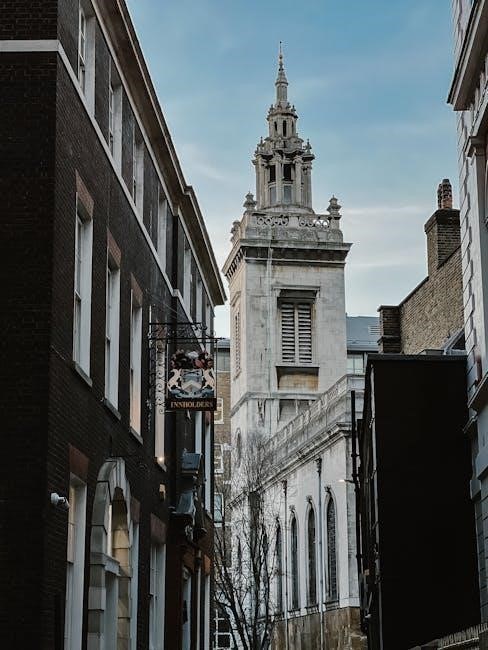
Follow our meticulously planned route to the infamous sites! Explore the haunting locations where the Ripper’s victims met their tragic ends, uncovering the chilling narrative of Whitechapel.
Buck’s Row (Durward Street) ─ Mary Ann Nichols
Begin your somber journey at Buck’s Row, now Durward Street, the site of Mary Ann Nichols’s brutal murder. On August 31st, 1888, her body was discovered, marking the first canonical victim of Jack the Ripper and initiating a wave of terror throughout London’s East End.
Visualize the dimly lit street, the poverty, and the desperation that characterized Whitechapel during this period. Consider the lack of street lighting and the vulnerability of women walking alone at night. Nichols, a struggling flower seller, was found near a stable, her throat cut.
Reflect on the initial police response and the limited forensic capabilities of the time. The area has changed significantly, but the weight of history remains palpable. Accessing Outlook and modern communication tools highlights the stark contrast to the information scarcity during the investigation.
Hanbury Street ౼ Annie Chapman
Continue to Hanbury Street, the location where Annie Chapman met her horrific fate on September 8th, 1888. This murder was particularly gruesome, with Chapman’s body discovered in the backyard of 29 Hanbury Street, a common lodging house. The brutality of the attack escalated the public’s fear and intensified the police investigation.
Imagine the cramped and squalid conditions of the lodging house and the surrounding area. Chapman, like Nichols, was struggling with poverty and alcoholism. Her murder demonstrated a pattern of targeting vulnerable women. The lack of reliable communication, unlike today’s Outlook access, hampered the investigation’s progress.
Observe the street today and consider how much has changed, yet the echoes of the past remain. The discovery of the body sparked widespread panic and fueled sensationalized media coverage.
Berner Street ౼ Elizabeth Stride
Next, proceed to Berner Street (now Mitre Square), where Elizabeth Stride was murdered on September 30th, 1888. Unlike the previous victims, Stride’s murder was less overtly brutal, leading to speculation that the Ripper was interrupted during the act. Her body was found relatively quickly, potentially explaining the lesser degree of mutilation.
Consider the bustling atmosphere of Berner Street at the time – a commercial area with pubs and shops. Stride was soliciting in the street when she was attacked. The swift discovery of the body, a contrast to the delayed findings in other cases, suggests a different set of circumstances. Modern communication, like Outlook, would have been invaluable.
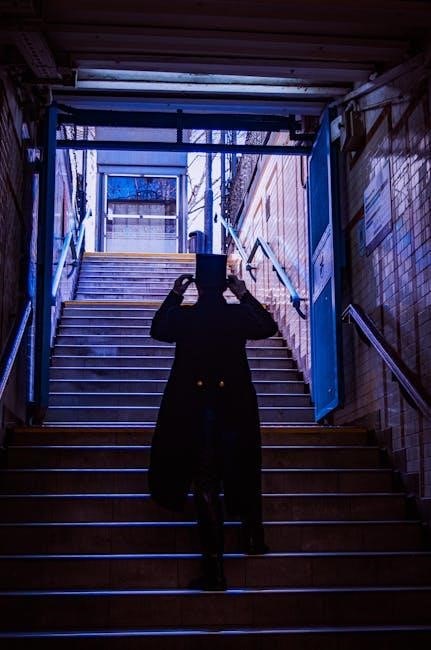
Reflect on the possibility of an interruption and how it might have influenced the Ripper’s actions. The case remains a fascinating point of debate among Ripperologists.
Mitre Square ─ Catherine Eddowes
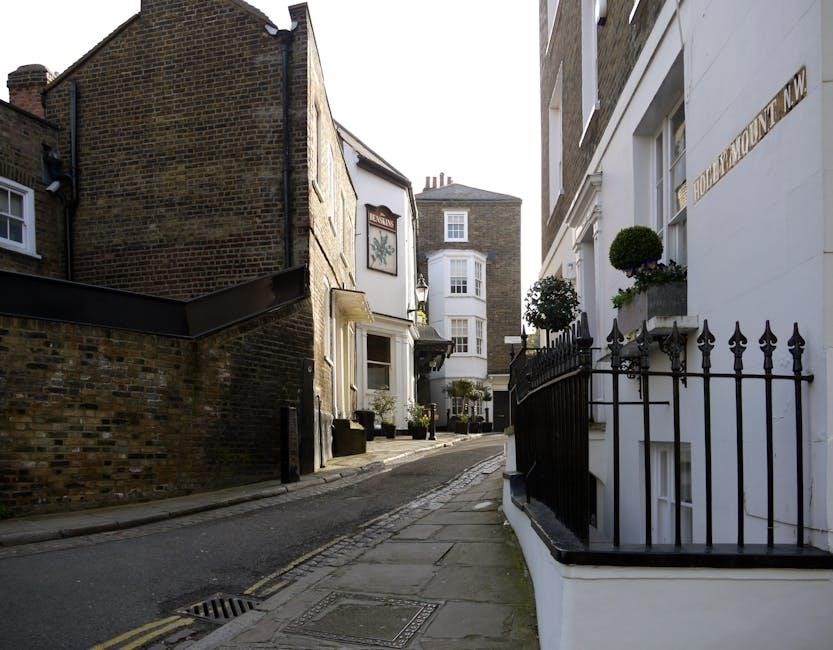
Continue to Mitre Square, the site of Catherine Eddowes’ horrific murder on September 30th, 1888 – the same night as Elizabeth Stride’s death. Eddowes’ body was discovered severely mutilated, with the Ripper exhibiting a particularly gruesome level of violence. This location, a small, secluded square, provided a degree of privacy for the killer.
Imagine the scene: a dimly lit square in the heart of Whitechapel, a stark contrast to the modern connectivity offered by tools like Outlook today. The extensive mutilations suggest the Ripper had ample time and was undisturbed. The proximity to the police station adds a chilling element to the case.
Consider the significance of the “Goulston Street Graffito” found nearby, potentially a clue left by the killer, and its subsequent removal by police. This case remains central to the Ripper narrative.
Miller’s Court ౼ Mary Jane Kelly
Your final stop is Miller’s Court, a courtyard off Dorset Street, where Mary Jane Kelly met her brutal end on November 9th, 1888. This murder was the most savage of the five canonical killings, occurring within a single room, and effectively brought the Ripper murders to an abrupt halt.
Kelly’s room was described as squalid and impoverished, reflecting the desperate conditions of life in Whitechapel. The sheer brutality of the attack, far exceeding previous crimes, suggests a possible escalation or a ‘final’ act. Imagine the contrast between this grim scene and the ease of modern communication via Outlook.
The enclosed nature of the room and the extensive mutilations indicate the killer was known to Kelly, or at least felt comfortable enough to spend a significant amount of time with her. This location marks the end of the Ripper’s most infamous spree.
Investigating the Crime Scenes
Delve into the perplexing details of the investigation, examining the limited forensic evidence and the challenges faced by Victorian police amidst evolving communication tools like Outlook.
Police Investigation & Evidence
The Metropolitan Police’s investigation into the Whitechapel murders was hampered by the limitations of 19th-century forensic science. Evidence collection was rudimentary, relying heavily on witness testimonies – often unreliable and contradictory – and basic physical examinations of the crime scenes.
Early police efforts focused on identifying a pattern and establishing a profile of the killer, but the lack of sophisticated analytical tools hindered progress. Photographs of the crime scenes were taken, providing a visual record, but fingerprinting was not yet widely adopted as a reliable investigative technique.
The investigation also struggled with communication challenges; coordinating information across different divisions proved difficult, mirroring the communication hurdles even modern tools like Outlook address today. Numerous suspects were identified and investigated, but conclusive evidence remained elusive, leaving the case tragically unsolved and fueling enduring speculation.
Theories & Suspects: A Brief Overview
Over the years, countless theories have emerged regarding the identity of Jack the Ripper, ranging from plausible to outlandish. Prominent suspects include Aaron Kosminski, a Polish immigrant and barber, and Walter Sickert, a renowned artist with a fascination for the macabre.
Other contenders include Montague John Druitt, a barrister who died by suicide shortly after the final murder, and Prince Albert Victor, Queen Victoria’s grandson – a theory fueled by sensationalist journalism. Each suspect possesses circumstantial evidence linking them to the crimes, yet none have been definitively proven guilty.
Modern investigations, utilizing DNA analysis, have attempted to narrow the field, but results remain contested. Accessing and organizing information, much like using Outlook for correspondence, is crucial in evaluating these complex theories, yet the Ripper’s identity remains a haunting enigma.
Beyond the Canonical Five
The five victims represent only a fraction of the violence in Whitechapel. Numerous other unsolved cases and potential victims existed, shrouded in mystery and echoing the era’s challenges.
Other Potential Victims & Unsolved Cases
Beyond the widely recognized five, a disturbing number of other women suffered violent deaths in Whitechapel during 1888 and 1889, leading to speculation about whether Jack the Ripper’s reach extended further. These cases, often lacking the same level of notoriety, present a complex puzzle for Ripperologists.
Victims like Alice McKenzie, found murdered in July 1889, and the unidentified “Common Lodging House Murder” victim, discovered in September 1888, exhibit similarities to the canonical murders, fueling debate. The lack of conclusive evidence prevents definitive attribution, yet their stories highlight the pervasive violence faced by women in the area.
Furthermore, the “Double Event” of September 30th, 1888 – the murders of Elizabeth Stride and Catherine Eddowes – raises questions about the Ripper’s movements and potential accomplices. Accessing Outlook and coordinating information would have been a significant hurdle for investigators then, mirroring modern challenges in complex investigations.
The Ripper’s Legacy & Modern Whitechapel
Jack the Ripper’s crimes transcended Victorian London, embedding themselves in popular culture and shaping the landscape of criminal investigation. The case spurred advancements in forensic science and police procedure, forever altering how such crimes were approached.
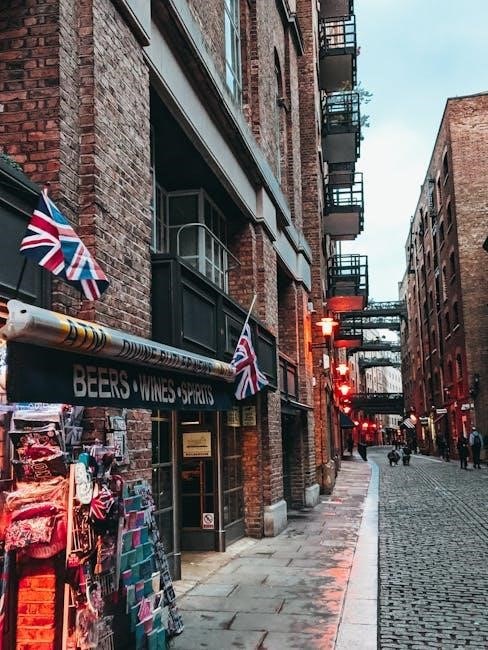
Today, Whitechapel is a vibrant, multicultural community, a far cry from the impoverished and dangerous streets of 1888. However, the Ripper’s shadow remains, attracting tourists and researchers alike. Walking tours, like this one, keep the memory alive, prompting reflection on the social conditions that allowed such horrors to occur.
Modern technology, such as Outlook for communication and data management, would have drastically altered the investigation. Yet, the enduring fascination with the Ripper speaks to our collective anxieties about urban darkness and unsolved mysteries, a chilling legacy that continues to captivate.
Tips for a Respectful & Safe Tour
Prioritize safety and sensitivity while exploring Whitechapel. Stay aware of your surroundings, travel in groups, and remember you are walking through a historically sensitive area.
Safety Precautions in Whitechapel
Navigating Whitechapel requires mindful awareness. While generally safe, particularly during daylight hours, it’s crucial to remain vigilant, especially when exploring dimly lit streets at dusk or night, mirroring the conditions of the original crimes.
Travel in groups whenever possible; there’s safety in numbers. Avoid walking alone, particularly through secluded alleyways or poorly lit areas. Keep valuables concealed and be aware of your surroundings at all times, similar to the cautious approach needed when accessing online accounts like Outlook.
Stick to well-populated routes and avoid shortcuts through deserted areas. Inform someone of your planned route and estimated return time. Consider using a mobile phone with a fully charged battery for emergencies and navigation, much like relying on modern communication tools during investigations.
Be mindful of traffic, as some streets can be busy. Finally, remember that Whitechapel is a vibrant, modern community, and respectful behavior is paramount.
Respecting the History & Victims
Approaching this tour demands sensitivity and respect. Remember that these streets were once the scene of horrific tragedies, and real women lost their lives. Avoid sensationalizing the crimes or treating the locations as mere entertainment, akin to safeguarding personal information within Outlook.
Refrain from disrespectful behavior such as loud noises, inappropriate photography, or leaving any form of litter. Consider the impact of your actions on the local community and the memory of the victims;
Focus on remembering the women – Mary Ann Nichols, Annie Chapman, Elizabeth Stride, Catherine Eddowes, and Mary Jane Kelly – as individuals, not just as victims of a notorious killer.
Engage with the history thoughtfully, acknowledging the social context of Victorian London and the plight of those living in poverty. This tour is an opportunity for remembrance and reflection, not morbid curiosity.