Blomberg Washing Machine User Manual: A Comprehensive Guide
Welcome! This manual assists you in maximizing your new Blomberg washing machine’s potential‚ offering detailed instructions and troubleshooting for optimal performance.
Congratulations on choosing a Blomberg washing machine! We are delighted to welcome you to the Blomberg family of appliance owners. This machine represents a commitment to innovative technology and reliable performance‚ designed to simplify your laundry routine and deliver exceptional cleaning results.
This user manual serves as your comprehensive guide to understanding and operating your new appliance effectively. Within these pages‚ you’ll find detailed instructions covering everything from initial installation and program selection to maintenance and troubleshooting. We encourage you to read this manual thoroughly before using your washing machine for the first time.
Blomberg strives to provide products that are both efficient and environmentally responsible. Enjoy the convenience and peace of mind that comes with owning a Blomberg washing machine!
Safety Precautions
Important Safety Instructions: To ensure your safety and prevent potential hazards‚ please read these precautions carefully before operating your Blomberg washing machine. Always disconnect the appliance from the power supply before cleaning or performing maintenance. Never attempt to repair the machine yourself; contact qualified service personnel for assistance.
Do not allow children to play with or near the washing machine. Keep pets away from the appliance during operation. Ensure the water supply and drain hoses are securely connected to prevent leaks. Avoid overloading the machine‚ as this can cause damage and affect performance.
Never wash items that have been cleaned with flammable liquids. Follow the care label instructions on your garments to prevent damage.
Understanding the Control Panel
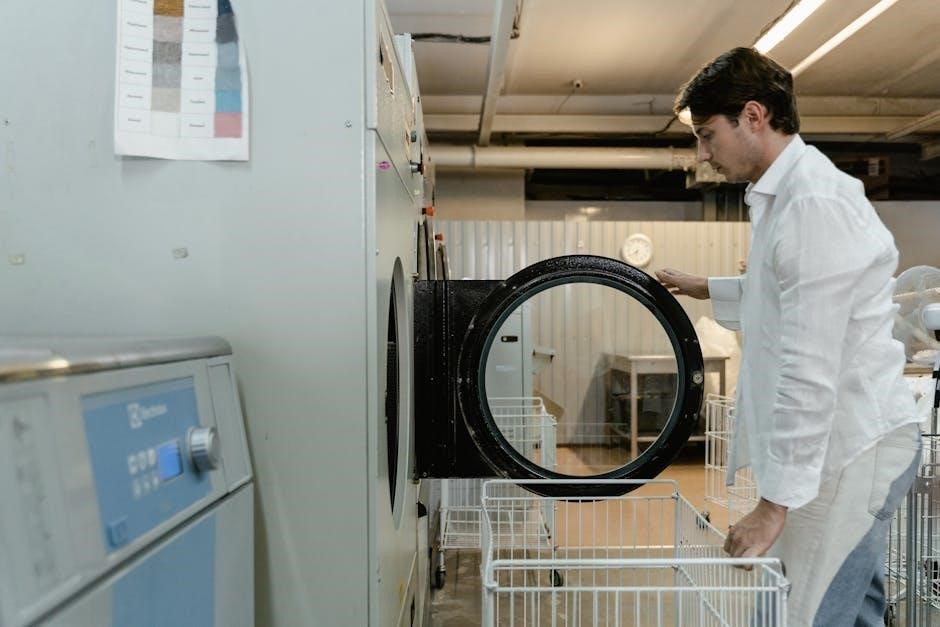
Navigating Your Machine’s Interface: The Blomberg washing machine’s control panel is designed for intuitive operation. It features a combination of buttons‚ a digital display‚ and indicator lights to manage wash cycles and settings. Familiarizing yourself with these components is crucial for efficient use.
The panel allows you to select various wash programs‚ adjust temperature‚ spin speed‚ and activate special features like delay start. The display provides information on the selected program‚ remaining time‚ and any error messages. Indicator lights signal the machine’s current status – washing‚ rinsing‚ spinning‚ or completed.
Detailed explanations of each button and symbol are provided in the following sections;
Overview of Buttons and Indicators
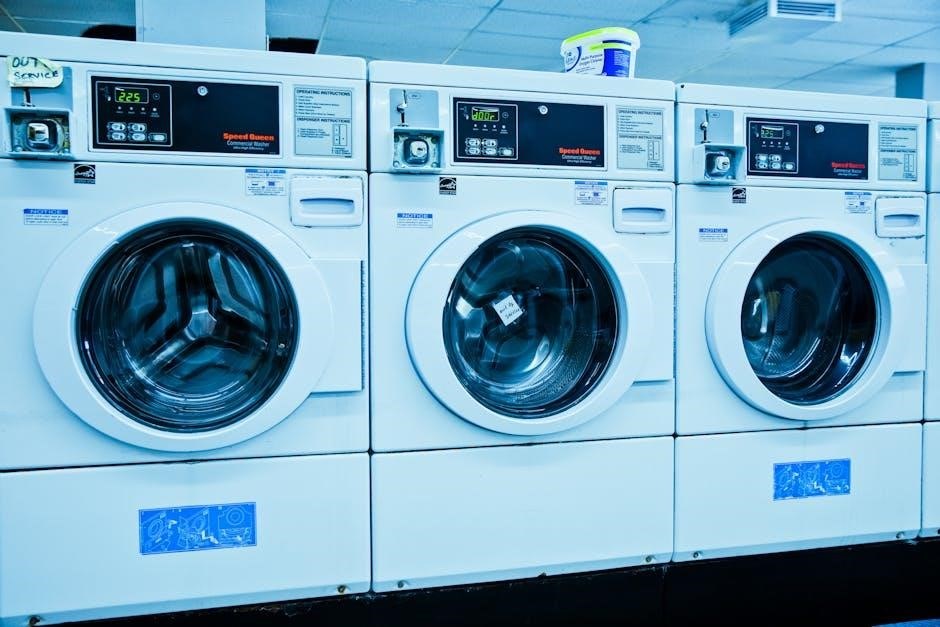
Essential Controls at Your Fingertips: The Blomberg washing machine’s buttons control core functions. The ‘Power’ button initiates or terminates operation. ‘Start/Pause’ begins or temporarily halts a cycle. Program selection is managed via a dial or dedicated buttons for Cotton‚ Synthetics‚ Delicates‚ and Wool.
Additional buttons activate options like ‘Pre-Wash’‚ ‘Extra Rinse’‚ and ‘Delay Start’. Indicator lights illuminate to show selected settings – temperature‚ spin speed‚ and active features. A ‘Child Lock’ indicator prevents accidental program changes. The ‘Error’ light signals malfunctions requiring attention.
Understanding each button’s function ensures precise control over your laundry process.
Display Symbols and Meanings
Decoding the Digital Interface: The Blomberg washing machine’s display utilizes symbols for clarity. A tub icon represents the wash cycle‚ while a rinsing droplet signifies the rinse phase. A wringing symbol indicates spin speed‚ with higher bars denoting faster speeds. A temperature symbol (thermometer) displays the selected water temperature.
A clock symbol activates the ‘Delay Start’ function. A padlock indicates ‘Child Lock’ is engaged. Error codes‚ displayed as letters and numbers (e.g.‚ E01‚ E02)‚ signal specific issues – consult the ‘Troubleshooting’ section for details. A remaining time indicator shows the cycle’s duration.
Familiarizing yourself with these symbols streamlines operation and problem-solving.
Installation Instructions
Preparing for Operation: Before first use‚ carefully follow these installation steps. Ensure the washing machine is placed on a firm‚ level surface to prevent vibrations. Remove all transportation bolts – failure to do so will cause damage! Connect the water inlet hose to both the machine and a suitable water supply‚ checking for leaks.
The machine requires a grounded electrical outlet meeting specified voltage requirements (see ‘Technical Specifications’). Do not use extension cords. Verify proper ventilation around the appliance. Double-check all connections before powering on. Improper installation voids the warranty.
Unpacking and Positioning
Initial Setup: Carefully unpack your Blomberg washing machine‚ retaining the original packaging for potential future transport. Inspect for any visible damage incurred during shipping. Remove all packing materials‚ including those inside the drum and around the water inlet hoses. Position the machine in its desired location‚ ensuring sufficient space for loading‚ unloading‚ and servicing.
The floor must be level and capable of supporting the machine’s weight‚ especially when fully loaded with wet laundry. Avoid direct sunlight and extreme temperatures. Ensure easy access to water and electrical connections.
Connecting Water Supply
Water Inlet Connection: Locate the water inlet valves on the rear of the washing machine – typically one for hot and one for cold water. Attach the supplied water inlet hoses to these valves‚ ensuring a secure and watertight connection. Then‚ connect the other ends of the hoses to the corresponding hot and cold water taps.
Use new hoses if the old ones show any signs of wear. Open the water taps slowly to check for leaks. If leaks are detected‚ tighten the connections. Ensure water pressure is within the specified range for optimal performance.
Electrical Connection Requirements
Safety First: Before connecting‚ ensure the washing machine is properly grounded to prevent electric shock. The electrical supply must match the voltage specified on the machine’s rating label – typically 220-240V. Do not use extension cords or adapters; connect directly to a dedicated‚ properly fused outlet.
The outlet should be easily accessible to allow for quick disconnection in emergencies. A qualified electrician should perform the electrical connection if you are unsure about any aspect of the installation. Improper wiring can cause damage or pose a safety hazard.
Operating Your Washing Machine
Getting Started: Before each use‚ always check pockets for foreign objects like coins or keys to prevent damage. Ensure the water supply hoses are fully connected and the drain hose is correctly positioned. Load laundry loosely into the drum‚ avoiding overfilling to ensure effective cleaning and prevent strain on the motor.
Proper loading and detergent usage are crucial for optimal results. Select the appropriate wash program based on fabric type and soil level‚ and follow the detergent dispenser guide for accurate dosage.
Loading Laundry Correctly
Optimal Loading: Distribute items evenly around the drum’s center to maintain balance during the wash cycle. Avoid tightly packing clothes‚ as this restricts water circulation and hinders cleaning performance. For best results‚ leave approximately a hand’s width of space between the top of the laundry pile and the drum opening.
Separate laundry by fabric type‚ color‚ and soil level. Delicate items should be placed in a mesh laundry bag to prevent damage. Bulky items like blankets or duvets require extra space and may necessitate using a larger capacity program.
Detergent Dispenser Guide
Compartment Identification: Your Blomberg washing machine features a multi-compartment dispenser. Typically‚ compartment ‘I’ or marked with a Roman numeral ‘I’ is for pre-wash detergent‚ compartment ‘II’ is for main wash detergent‚ and the symbol of a flower or star indicates the fabric softener compartment.
Dosage: Always follow the detergent manufacturer’s instructions regarding dosage. Overuse can lead to residue buildup and reduced rinsing efficiency. Use liquid or powder detergent appropriate for your wash program and water hardness. Ensure the dispenser is properly closed after adding detergent.
Selecting Wash Programs
Program Dial: Utilize the program dial to choose the most suitable wash cycle for your laundry. Options typically include Cotton‚ Synthetics‚ Delicates‚ Wool‚ Quick Wash‚ and potentially specialized programs like Eco or Dark Wash.
Fabric Type: Carefully consider the fabric type and soil level when selecting a program. Cotton programs are ideal for durable everyday items‚ while delicate programs protect sensitive fabrics. Adjust the temperature and spin speed according to the garment care label. Refer to the ‘Wash Program Details’ section for specific program settings.
Wash Program Details
Comprehensive Cycles: Your Blomberg washing machine offers a variety of wash programs tailored to different fabric types and cleaning needs. Cotton programs provide robust cleaning for everyday items. Synthetics offer gentler washing for blended fabrics. The Delicate/Hand Wash cycle is perfect for lingerie and sensitive materials.
Specialized Options: A dedicated Wool program ensures gentle care for woollen garments‚ preventing shrinkage. The Quick Wash program provides a fast cycle for lightly soiled items. Detailed settings for each program‚ including temperature‚ spin speed‚ and pre-wash options‚ are outlined in the following sections.
Cotton Program Settings
Robust Cleaning: The Cotton program is designed for durable‚ everyday cotton items. Temperature Options range from cold wash (30°C) to high heat (90°C)‚ allowing you to customize cleaning intensity. Spin Speed is adjustable‚ from No Spin to 1600 RPM‚ impacting moisture retention.
Pre-Wash Feature: For heavily soiled items‚ activate the Pre-Wash option for enhanced stain removal. Intensive Stain Removal can be selected for stubborn marks. Eco Mode optimizes water and energy usage. Always check garment care labels before selecting settings to prevent damage.
Synthetic Program Options
Versatile Care: The Synthetic program caters to polyester‚ nylon‚ and blended fabrics. Temperature Control offers settings from cold to 60°C‚ protecting fabric integrity. Spin Speed adjustments‚ ranging from gentle to high‚ minimize wrinkling and damage;
Permanent Press Option: Reduces creases in synthetic items. Easy Iron Setting further simplifies ironing. Reduced Spin is ideal for delicate synthetics. Always consult garment labels for specific washing instructions. Proper program selection ensures vibrant colors and prolonged fabric life.
Delicate/Hand Wash Program
Gentle Cleaning: This program is designed for lingerie‚ silk‚ and other fragile items typically labeled “hand wash only.” Low Water Level and Reduced Agitation minimize stress on delicate fabrics. Cold Water Wash prevents color fading and shrinkage. Spin Speed is automatically set to a very low level‚ or can be excluded entirely.
Protect Your Garments: Always place delicate items in a mesh laundry bag for added protection. Avoid overloading the machine. Use a mild detergent specifically formulated for delicates. This program ensures a thorough yet gentle clean‚ preserving the beauty and longevity of your most cherished clothes.
Wool Program Guide
Caring for Woolens: The Wool Program provides specialized care for wool and wool-blend garments‚ preventing felting and shrinkage. Gentle Wash Action and Controlled Temperature (typically cold or lukewarm) are key features. Reduced Spin Speed minimizes stretching and distortion. Always use a detergent specifically designed for woolens – regular detergents can damage the fibers.
Program Details: Before washing‚ check the garment’s care label. Place wool items in a mesh laundry bag for extra protection. Avoid overloading the machine. This program ensures your woolens remain soft‚ comfortable‚ and retain their original shape for years to come.
Quick Wash Program Explained
Time-Saving Convenience: The Quick Wash program is ideal for lightly soiled laundry that requires a refresh. This program significantly reduces wash cycle duration – typically completing in 30 or 15 minutes – while still delivering effective cleaning. Reduced Water Consumption and Optimized Wash Action contribute to its efficiency.
Suitable Loads: Best for small loads of everyday items like t-shirts‚ underwear‚ and sportswear. Avoid using this program for heavily soiled items or delicate fabrics. Select the appropriate spin speed based on the fabric type. This program offers a practical solution for busy lifestyles‚ providing clean clothes in a flash.
Special Features
Enhanced Laundry Control: Your Blomberg washing machine boasts several features designed to optimize your laundry experience. The Delay Start function allows you to schedule washes to coincide with off-peak energy hours or your convenience. Utilize the Pre-Wash option for heavily soiled items‚ ensuring thorough cleaning.
An Extra Rinse Cycle guarantees complete detergent removal‚ ideal for sensitive skin. Precise Temperature Selection caters to various fabric types‚ protecting colors and preventing shrinkage. These features combine to provide a customizable and efficient washing process‚ adapting to your specific needs and preferences for superior results.
Delay Start Function
Convenient Scheduling: The Delay Start function empowers you to schedule wash cycles in advance‚ offering unparalleled convenience. Simply select your desired program‚ detergent‚ and then set the delay time using the control panel. This feature is perfect for taking advantage of lower electricity rates during off-peak hours‚ or for having laundry finish when you return home.
You can delay the start of a cycle by up to 24 hours‚ providing flexibility to fit laundry into your busy lifestyle. The machine will automatically begin the wash cycle at the pre-set time‚ ensuring fresh laundry whenever you need it.
Pre-Wash Option
For Heavily Soiled Laundry: The Pre-Wash option is designed for garments with stubborn dirt or stains. Activating this feature adds an initial‚ shorter wash cycle before the main wash‚ loosening and removing heavy soiling. This prevents dirt from being redistributed during the primary wash‚ ensuring a more thorough clean.
Use the Pre-Wash option with heavily soiled items like work clothes‚ gardening apparel‚ or children’s playwear. Remember to add detergent to both the pre-wash compartment and the main wash compartment for optimal results. This feature enhances cleaning power and protects your clothes.
Extra Rinse Cycle
For Sensitive Skin & Thorough Cleaning: The Extra Rinse Cycle provides an additional rinse after the main wash‚ removing any residual detergent traces. This is particularly beneficial for individuals with sensitive skin‚ allergies‚ or those who prefer an exceptionally clean wash. It’s also recommended when washing baby clothes or delicate fabrics.
Activating this option ensures all detergent is thoroughly removed‚ minimizing irritation and leaving clothes feeling fresher. While it increases water consumption slightly‚ the added peace of mind and improved cleanliness are often worthwhile. Select the Extra Rinse option via the control panel before starting your wash cycle.
Temperature Selection
Optimizing Wash Results: Your Blomberg washing machine offers a range of temperature settings to cater to different fabric types and soil levels. Lower temperatures (30°C/86°F or Cold) are ideal for delicate fabrics and lightly soiled items‚ preserving colors and reducing energy consumption. Higher temperatures (60°C/140°F or 90°C/194°F) are best for heavily soiled laundry and whites‚ ensuring effective stain removal and hygiene.
Always check the garment care label before selecting a temperature. Incorrect temperature settings can cause shrinkage‚ fading‚ or damage. Utilize the control panel to easily adjust the temperature to suit your specific washing needs.
Maintenance and Cleaning
Preserving Performance: Regular maintenance ensures your Blomberg washing machine operates efficiently and extends its lifespan. Consistent cleaning prevents buildup and maintains hygiene. The detergent drawer should be removed and cleaned monthly to avoid residue accumulation. The washing drum benefits from periodic cleaning cycles using a dedicated drum cleaner or a hot wash with vinegar.
Crucially‚ the filter requires regular checks and cleaning to prevent blockages. Exterior surfaces can be wiped down with a damp cloth and mild detergent. Following these simple steps will keep your machine in optimal condition.
Cleaning the Detergent Drawer
Maintaining Freshness: To clean the detergent drawer‚ first‚ remove it by pressing the release button or lever – consult your model’s specific instructions. Rinse each compartment thoroughly under warm running water‚ dislodging any solidified detergent or fabric softener residue. A small brush can be helpful for stubborn buildup.
Inspect the drawer for mold or mildew‚ addressing it with a diluted bleach solution if present. Ensure all traces of cleaning agents are rinsed away before reinserting the drawer. Regular cleaning‚ ideally monthly‚ prevents clogs and ensures optimal detergent distribution.
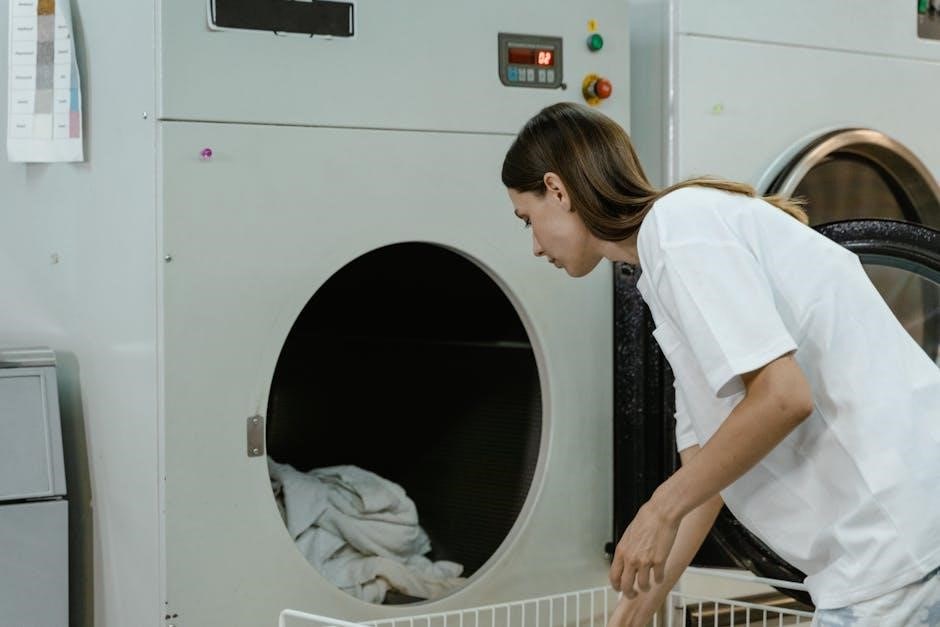
Cleaning the Drum
Preserving Hygiene: Regularly cleaning the washing machine drum is crucial for preventing odors and maintaining hygiene. Run an empty hot water cycle with a washing machine cleaner‚ following the product’s instructions carefully. Alternatively‚ use a cup of white vinegar added directly to the drum.
Wipe down the drum’s interior with a soft cloth after each cycle to remove any lingering residue. Avoid abrasive cleaners‚ as they can damage the drum’s surface. Monthly deep cleaning helps eliminate bacteria and buildup‚ ensuring fresh and effective laundry washes.
Filter Cleaning Procedures
Maintaining Performance: Locate the washing machine’s filter – typically behind a small access panel at the front‚ lower portion of the appliance. Before opening‚ place a towel to absorb potential water spillage. Carefully unscrew and remove the filter cap‚ slowly pulling out the filter itself.
Rinse the filter under running water‚ removing lint‚ debris‚ and small objects like coins or buttons. Inspect the filter housing for any obstructions and clean it thoroughly. Reinsert the filter securely‚ ensuring a tight seal to prevent leaks‚ and close the access panel. Regular filter cleaning prevents drainage issues.
Exterior Cleaning Instructions
Preserving Appearance: To clean the exterior of your Blomberg washing machine‚ always disconnect it from the power supply. Use a soft‚ damp cloth with mild detergent to wipe down the cabinet‚ control panel‚ and door. Avoid abrasive cleaners‚ scouring pads‚ or solvents‚ as these can damage the finish.
For stubborn stains‚ a slightly stronger detergent solution can be used‚ but test it on an inconspicuous area first. After cleaning‚ wipe the surfaces with a clean‚ damp cloth to remove any detergent residue. Dry thoroughly with a soft towel. Regularly cleaning the exterior maintains its aesthetic appeal.
Troubleshooting Common Issues
Addressing Problems: If your Blomberg washing machine encounters issues‚ first check the power connection and water supply. A machine not starting may indicate a tripped circuit breaker or an interrupted power source. For drainage problems‚ inspect the drain hose for kinks or blockages.
Consult the error code list within this manual to decipher any displayed codes‚ as they pinpoint specific malfunctions. If issues persist‚ avoid self-repair and contact authorized Blomberg service personnel for professional assistance. Attempting repairs yourself could void the warranty and cause further damage.
Machine Not Starting
Initial Checks: If your Blomberg washing machine fails to start‚ begin by verifying the power supply. Ensure the machine is correctly plugged into a functioning outlet and that the circuit breaker hasn’t tripped. Check if the door is securely closed‚ as a safety interlock prevents operation if it’s ajar.
Confirm the ‘Start/Pause’ button has been firmly pressed. If the issue continues‚ examine the control panel for any error codes displayed‚ referencing the troubleshooting section for specific guidance. If no error appears‚ contact a qualified technician for assistance‚ avoiding any attempts at self-repair.
Water Not Draining
Troubleshooting Steps: If water remains in your Blomberg washing machine after a cycle‚ first check the drain hose for any kinks or obstructions. Ensure the hose isn’t excessively bent or pinched‚ restricting water flow. Next‚ locate and carefully clean the drain pump filter – a common culprit for drainage issues.
Consult the ‘Maintenance and Cleaning’ section for detailed filter access and cleaning instructions. If the filter is clear and the hose is unobstructed‚ there may be a pump malfunction requiring professional attention. Do not attempt to disassemble the pump yourself; contact a qualified technician.
Error Codes and Their Meanings
Decoding the Display: Your Blomberg washing machine utilizes error codes to signal specific issues. A code like “E1” might indicate a water supply problem – check the taps are fully open and the inlet hose isn’t kinked. “E2” often points to a drainage issue; verify the drain hose and filter are clear‚ as detailed in the ‘Troubleshooting’ section.
Other codes may relate to motor faults or sensor malfunctions. Refer to the complete error code list in this manual (or Blomberg’s website) for precise definitions and recommended actions. If an error persists after attempting solutions‚ contact customer support.
Technical Specifications
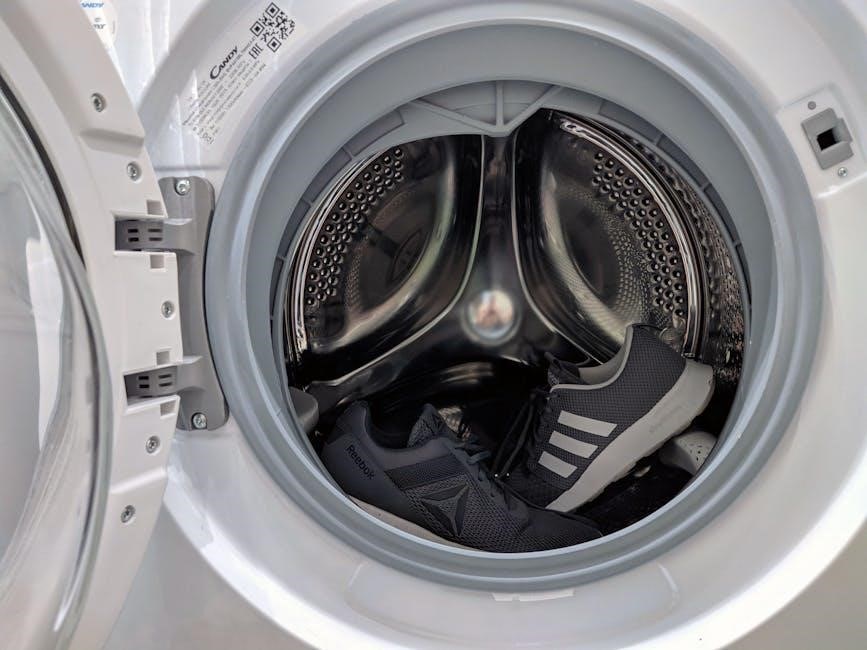
Detailed Dimensions: This Blomberg washing machine boasts standard dimensions of 60cm (width) x 85cm (height) x 59.5cm (depth)‚ with a net weight of approximately 65 kilograms. Water consumption varies by program‚ averaging 45-55 liters per cycle for cotton washes.
Energy efficiency is a key feature‚ achieving an ‘A+++’ rating‚ minimizing electricity usage. The machine operates on a standard 220-240V/50Hz electrical supply. Maximum spin speed reaches 1400 RPM‚ ensuring efficient water extraction from your laundry. These specifications are subject to slight variations based on the specific model.
Dimensions and Weight
Physical Specifications: The Blomberg washing machine is designed with standard dimensions to fit most laundry spaces. Its width measures 60 centimeters‚ providing ample drum capacity without excessive bulk. The height reaches 85 centimeters‚ allowing for convenient loading and unloading. Depth is 59.5 centimeters‚ ensuring it fits neatly against a wall.
Regarding weight‚ the machine tips the scales at approximately 65 kilograms when empty. This substantial weight contributes to stability during operation‚ minimizing vibrations and noise. Always ensure the floor is level to maximize performance and longevity of the appliance.
Water Consumption Details
Efficient Water Usage: Your Blomberg washing machine is engineered for water efficiency‚ minimizing environmental impact and reducing utility bills. Standard cotton programs typically consume around 45-55 liters of water per cycle‚ depending on load size and selected options. Eco programs significantly reduce this‚ using as little as 38 liters.
Synthetic and delicate washes require less water‚ averaging between 30-40 liters. Always check the program details displayed on the control panel for precise consumption estimates. Utilizing a full load whenever possible maximizes water efficiency and minimizes waste.
Energy Efficiency Rating
Optimized Energy Performance: Your Blomberg washing machine boasts a high energy efficiency rating‚ designed to minimize power consumption and reduce your carbon footprint. Most models achieve an ‘A’ or ‘A+’ rating‚ adhering to strict energy performance standards.
Typical energy consumption for a standard cotton wash at 60°C is around 0.9-1.2 kWh. Eco programs offer substantial savings‚ utilizing approximately 0.4-0.6 kWh per cycle. Selecting lower temperatures and utilizing the delay start function during off-peak hours further enhances energy efficiency. Refer to the energy label for specific model details.
Warranty Information
Your Blomberg Warranty: Blomberg washing machines are covered by a comprehensive warranty against defects in materials and workmanship. The standard warranty period is typically one year from the date of purchase‚ covering parts and labor for repairs performed by authorized service technicians.
For extended warranty options‚ or to register your appliance‚ please visit our website or contact customer support. Proof of purchase is required for all warranty claims. The warranty does not cover damage resulting from misuse‚ improper installation‚ or unauthorized repairs. See the separate warranty document for full terms and conditions.