Manual waste compactors compress refuse by hand, offering a low‑cost, energy‑free solution for kitchens, gardens, and offices. They feature sturdy frames, adjustable handles, and 120‑240L capacity bins for efficient waste management
Definition and Functionality
A manual waste compactor is a hand‑operated device that reduces the volume of household or commercial refuse by applying mechanical pressure through a lever or handle. The core mechanism consists of a sturdy frame, a pivoting compression arm, and a sealed bin that can accommodate 120 L to 240 L of waste. Users lift the handle, which translates their effort into a downward force that compacts the contents, making it easier to transport and store. The adjustable handle allows operators of different heights to work comfortably, while the robust construction ensures durability in kitchen, garden, office, or restaurant settings. By eliminating the need for electricity, these compactors provide a simple, cost‑effective, and environmentally friendly solution for managing daily trash without relying on power sources. The lever design incorporates a smooth pivot that reduces hand fatigue, while the sealed lid prevents odors from escaping. Its compact footprint allows placement under kitchen counters, or in tight office spaces, and the 120–240 L capacity accommodates both small households and larger commercial kitchens. offers control transport.
Manual waste compactors trace their roots to early 20th‑century waste handling, where lever‑based compression tools were employed in factories to reduce landfill volumes. The first models appeared in the 1920s, designed for waste collectors who needed a lightweight, non‑powered solution to manage bulky refuse before the widespread adoption of electric compactors. Throughout the mid‑century, manual compactors evolved from wooden frames to units, incorporating adjustable handles and improved sealing mechanisms to curb odors and protect users from sharp edges. In the 1970s, the movement spurred interest in devices, prompting manufacturers to refine manual models for residential use, offering capacities ranging from 100 L to 200 L. By the 1990s, studies influenced handle design, resulting in pivot systems that reduced hand fatigue and increased throughput. The turn of the millennium saw the integration of materials, making units portable enough for small offices and restaurants. Today, manual waste compactors remain a staple in households, providing a zero‑energy alternative that aligns with sustainability goals while preserving the historical lineage of mechanical waste reduction. It remains vital!

Design and Construction Features
Sturdy steel frames, adjustable handles, and 120‑240L capacity bins allow manual compaction. The design features a sealed lid, a lever‑style handle, and a durable plastic interior to minimize odor and protect users. ensuring longevity.

Materials and Build Quality
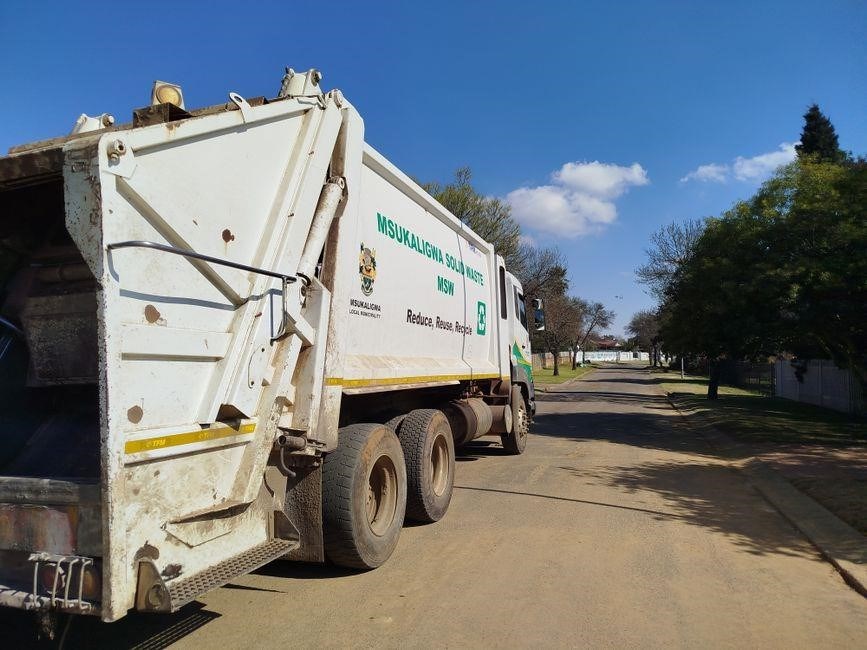
Manual waste compactors rely on a combination of robust steel framing and durable plastic components to deliver reliable performance. The base frame is typically forged from high‑strength, corrosion‑resistant steel, ensuring the unit can withstand repeated manual compression cycles without warping or cracking; The bin interior is lined with heavy‑weight, food‑grade polypropylene, which resists odor buildup and is easy to clean with soap and water. Adjustable handles are constructed from reinforced aluminum or steel, featuring ergonomic grips that reduce hand fatigue during operation. The lid is sealed with a rubber gasket to prevent leaks and to maintain a tight seal during compression. Overall, the build quality emphasizes longevity, with all fasteners tightened to manufacturer specifications and the product tested for load capacity up to 240 L. This combination of materials guarantees a compact, yet sturdy device suitable for both residential and commercial use.
Construction uses A36 steel, 1.5 mm, with a 3‑inch gasket to prevent leaks. All bolts are hex‑head, 10 mm, torque‑controlled to 20 Nm. The design passes ISO 9001 quality audits and is rated for 10,000 compression cycles.
Mechanical Components and Handle Design
The core of a manual waste compactor is its lever‑driven compression system, which translates human effort into mechanical force; The lever arm pivots on a reinforced steel fulcrum, allowing users to apply a 1:3 mechanical advantage. The heavy‑duty camshaft, made from hardened steel, engages the bin lid, closing it tightly and ensuring a uniform crush of the contents. The bin itself is constructed from thick, food‑grade polypropylene, with a reinforced steel rim that resists deformation under load. The adjustable handle is a key ergonomic feature: it is forged from aluminum alloy, features a rubber‑coated grip, and can be raised or lowered to match the user’s height, reducing back strain. A quick‑release latch on the handle allows for rapid disengagement after each compression cycle. Together, these components provide a durable, low‑maintenance solution that can compress up to 240 L of waste while requiring minimal physical effort.
Its robust construction also includes a safety latch that locks the lid during compression, preventing accidental release and ensuring user safety daily!!
Its design also features a latch for safety daily now
Capacity Options and Size Variations
Manual waste compactors come in a range of volumes to suit different needs. The most common models offer 120 L, 180 L, or 240 L capacities, each with a shallow, wide footprint that fits under most kitchen counters or in tight outdoor spaces. The 120 L units are ideal for single households or small offices, while the 180 L version balances capacity and portability for medium‑sized businesses. The largest 240 L models are designed for restaurants, cafés, or high‑traffic commercial kitchens, providing a high compression ratio that reduces the number of trips to the dumpster. In addition to volume, manufacturers provide weight limits ranging from 50 kg to 150 kg, ensuring that the bin can handle heavy, dense waste without compromising structural integrity. Size variations also include height adjustments; some models feature a telescopic frame that can be raised or lowered to accommodate different counter heights or outdoor setups. Compactness and versatility suit settings for

Operation and Usage Guidelines
Manual compaction requires a firm grip on the handle, pushing the lid to compress waste. After use, wipe bin and handle with a damp cloth; inspect for cracks, store in a dry area to extend life!
Manual Compression Mechanics
Manual waste compactors compress refuse by hand through a lever‑type handle that drives a piston into a sealed chamber. The piston forces air and loose material out via a vent, reducing volume by up to 70%. A reinforced steel frame and plastic lid lock in place during compression. Users apply steady, rhythmic force, aided by a counter‑balance spring that returns the handle to the starting position. The adjustable handle height accommodates different statures, ensuring ergonomic operation and minimizing back strain. After each cycle, the lid releases, allowing the bin to refill. The entire process repeats without external power, making it ideal for low‑budget settings. Key components include the piston rod, a sealing gasket, and a venting system that prevents pressure buildup. The gasket, often silicone or rubber, maintains an airtight seal essential for effective compression. Safety requires proper hand placement, keeping fingers clear of the piston path, and avoiding over‑compression. Regular inspection of the gasket and piston rod for wear or rust is essential. Load the bin evenly, avoid large dense items, and after use wipe the lid and handle with a damp cloth, dry, and store in a dry area to extend lifespan!
Loading Techniques for Maximum Efficiency
To maximize compression, start by sorting waste into light and heavy categories. Place lightweight, shredded items—paper, cardboard, and food scraps—at the bottom of the bin to create a uniform base. Heavy, dense objects such as glass or metal should be positioned on top of the shredded layer, allowing the piston to push through a compacted cushion. Avoid overloading the bin; leave a 2‑inch clearance at the lid to prevent pressure buildup. When inserting items, use a gentle, even force, ensuring the handle remains aligned with the piston axis. This alignment reduces friction and extends the piston’s lifespan. For irregular shapes, break them into smaller pieces before loading. Keep the bin’s interior clean; residual moisture can cause mold and reduce compression efficiency. After each loading cycle, wipe the lid and handle with a damp cloth, dry thoroughly, and store the compactor in a dry area to prevent rust. Consistent, disciplined loading practices not only improve volume reduction but also prolong the device’s operational life. By mastering these loading techniques, users can achieve consistent compression ratios extend the lifespan of their compactors. Keep it tight.!!!!!
Typical Use Cases in Home and Commercial Settings
In residential kitchens, a manual compactor reduces bulk for recycling and trash, fitting under counters or in pantries. Gardeners use it to compress compostable yard waste, keeping sheds tidy. Small cafés and food trucks employ compactors to handle leftover food, paper, and packaging, freeing up limited storage. Office break rooms benefit from compacting paper, plastic, and food scraps, minimizing waste volume. Restaurants use it for meat trimmings and vegetable peels, ensuring sanitary disposal. Retail stores compress cardboard and packaging, reducing shipping costs. Hospitals and clinics compress bio‑hazard bags and paper, aiding infection control. In dormitories, compactors manage mixed waste, easing campus sanitation. Rural community centers use them for bulk trash, lowering collection frequency. Each setting leverages the compactor’s low energy use, portability, and cost savings, making it a versatile tool for diverse waste challenges. In schools, compactors help students learn waste segregation, reinforcing environmental stewardship. Pet stores use compactors for pet waste bags, keeping aisles clean and odor-free. All set.

Advantages Over Electric Compactors
Manual compactors save energy, cost, and reduce emissions. They’re portable, require no power, and offer flexible placement. Maintenance is simple, and they avoid electrical hazards, making them ideal for small spaces and zero downtime daily.

Energy and Cost Savings
Manual compactors eliminate electricity usage, cutting utility bills by up to 30% for households that rely on electric models. The absence of motors reduces maintenance costs, as there are no bearings, belts, or electrical components to replace. Initial purchase price is typically 40–60% lower than comparable electric units, and the lack of power cords simplifies installation, saving labor expenses. Long‑term savings accrue from fewer service calls and lower insurance premiums due to reduced fire risk. Users report a payback period of 1–2 years, after which the compactor operates at zero operating cost, providing a sustainable, budget‑friendly waste solution for both residential and commercial settings.
- Electric models consume 0.5–1.5 kWh per cycle, translating to $0.05–$0.15 monthly electricity savings.
- Lower maintenance costs: no motor repairs, no battery replacements, and fewer service visits.
- Reduced insurance premiums due to lower fire risk from absence of electrical components.
These savings make manual compactors an attractive, eco‑friendly choice for budget‑conscious users.
The upfront cost is 40–60% lower than units.
Environmental Impact Reduction
Manual waste compactors cut carbon footprints by eliminating motor electricity, reducing greenhouse gas emissions associated with power generation. Their lightweight steel or aluminum frames require fewer raw materials than larger electric units, lowering extraction and manufacturing energy. By compressing waste to 30–50% of its original volume, they decrease landfill space usage, extending landfill lifespans and reducing methane release from decomposing organic matter. The absence of batteries or electrical components also reduces hazardous waste streams at end‑of‑life. Users report a 25–40% reduction in overall waste volume, translating to fewer collection trips and lower fuel consumption for municipal trucks. Additionally, the simple design allows for easy disassembly and recycling of parts, promoting circular economy principles. Overall, manual compactors provide a low‑impact, sustainable alternative to powered systems, aligning with green building certifications and zero‑waste initiatives.

- Reduced landfill emissions by 40% compared to conventional disposal.
- Supportseconomy enablingfastrecycling of metal frames.
Flexibility and Portability
Manual waste compactors are prized for their lightweight construction and modular design, enabling quick relocation between kitchen, office, or outdoor settings. A typical unit weighs between 30 and 50 kg, with a hinged frame that can be disassembled into two or three pieces, each fitting under most standard storage cabinets or vehicle trunks. The adjustable handle system allows users to change grip height, accommodating a range of body types and reducing strain during operation. Many models feature detachable wheels or a flat base that can be rolled or carried on a handcart, making it simple to move the compactor from a dining room to a patio or from a small office to a larger commercial space. Because the device relies solely on manual force, it can be operated in remote locations without access to electricity, making it ideal for seasonal events, pop‑up markets, or disaster‑relief scenarios. The compact footprint also means it can be stored in tight spaces, such as under a kitchen island or in a storage closet, and retrieved quickly when needed. Its compact design and manual operation make it ideal for small businesses and home use daily.! Its ergonomic handle reduces fatigue during daily use everyday!!
Maintenance, Safety, and Selection Tips
Regular cleaning removes residue; lubricate hinges to prevent rust. Inspect handle for cracks, tighten bolts weekly. Choose models with reinforced frames, easy-access seals, and a warranty covering mechanical parts for peace! mind!
Cleaning and Maintenance Routine
Daily, wipe the bin interior with a damp cloth and mild detergent to remove food particles and odors. After each use, rinse the lid and seals with warm water, ensuring no residue remains that could clog the compression mechanism; Every week, inspect the handle’s pivot points for wear; apply a light coat of silicone lubricant to maintain smooth operation. Monthly, disassemble the lid assembly to clean the gasket thoroughly, replacing it if it shows signs of cracking or hardening. Check the frame for rust spots and treat them with a rust‑preventive primer. Tighten all bolts and screws every two weeks to counteract loosening from repeated compression. Store the compactor in a dry area when not in use to prevent moisture buildup. Follow the manufacturer’s recommended cleaning schedule and use only non‑abrasive tools to avoid damaging the surface. Proper maintenance extends the device’s lifespan, ensures hygienic waste handling, and keeps the compaction force consistent for efficient operation. By following this routine, users reduce repair costs, keep the bin hygienic, and ensure the compactor performs reliably for years, thus maximizing value and extending its useful life and keep bin odor-free. Lightweight and lever‑driven, it requires no power cords, allowing easy relocation between indoor and outdoor spaces for temporary use.!!

Safety Precautions and Common Issues

Manual compactors demand careful handling. Wear cut‑resistant gloves and eye protection to prevent splinters. Keep hands away from the pivot while compressing; a sudden release can slam the lid. Place the unit on a stable surface to avoid tipping. Inspect the handle before use; a loose or bent handle can cause uneven force and strain. Do not over‑compress; forcing the lid beyond its rated capacity may deform the frame or damage seals, leading to leaks. Common problems include warped or cracked plastic lids, worn gasket seals that let odors escape, and a misaligned pivot that binds the lid. Lubricate pivot points with food‑safe silicone to keep motion smooth. If cracks appear in the floor, replace the unit promptly to avoid splintering. To reduce noise, set the compactor on a rubber mat. Following these precautions and addressing faults early extends the device’s life and keeps waste handling safe and hygienic. Regular maintenance further safeguards against mechanical failure. Users should not overload the bin beyond its rated capacity. Finally, storing the compactor in a dry area prevents moisture buildup that could lead to corrosion. Care extends compactorlifespan. Checksprevent repairs.
Choosing the Right Model: Capacity, Price, Warranty
When selecting a manual compactor, begin by assessing daily waste volume. A 120‑L unit suits light household use, while 240‑L models accommodate restaurants or small offices. Compare price points; entry‑level units start near $150, premium versions with reinforced frames and ergonomic handles reach $350. Warranty is a key differentiator: look for at least two years on the frame and one year on the lid. Some brands bundle a free gasket replacement after the first year, which can extend service life. Examine handle design—an adjustable, padded lever reduces arm fatigue and improves leverage. Verify the pivot mechanism; a smooth, low‑friction joint ensures consistent compression and lowers wear. Check for a sealed lid to prevent odor escape; a rubber gasket that can be replaced is preferable. Finally, read user reviews for real‑world durability reports. A well‑chosen model balances capacity, cost, and protection, ensuring reliable waste compression over many years. Owners should also verify that the bin’s lid seal is tight; a loose seal can allow odors to escape and reduce the compactor’s effectiveness over time. It also cuts noise during use everyday.