Discover the 2021 Subaru Ascent maintenance schedule by mileage in a concise PDF guide. This document outlines essential service intervals‚ ensuring optimal performance and longevity. Follow the mileage markers to keep your vehicle running smoothly and reliably.Download quick reference for you
Purpose of the Schedule
Creating a reliable maintenance schedule for the 2021 Subaru Ascent is essential for preserving vehicle performance‚ safety‚ and resale value. The purpose of this schedule is to provide owners with clear‚ mileage-based checkpoints that align with manufacturer recommendations and real-world usage patterns. By adhering to these intervals‚ drivers can anticipate wear on critical components‚ avoid costly repairs‚ and maintain warranty coverage. The schedule also serves as a preventive tool‚ allowing routine checks to catch emerging issues before they become major problems. Additionally‚ it offers a structured approach for documenting service history‚ which is invaluable for future maintenance planning and for potential buyers. The goal is to simplify the owner’s responsibility‚ ensuring that each service event is timely‚ thorough‚ and cost-effective. Ultimately‚ the schedule empowers vehicle owners to take proactive control over their Ascent’s longevity‚ reliability‚ and overall driving experience. Owners who consistently follow the outlined mileage milestones not only protect their investment but also gain peace of mind‚ knowing that each component is inspected‚ replaced‚ or serviced at the optimal time. This disciplined approach reduces the likelihood of unexpected breakdowns‚ extends the lifespan of major systems‚ and supports a smoother‚ more reliable driving experience throughout the vehicle’s operational life. Following these milestones also eases insurance claims and boosts resale value!!
Benefits of Regular Maintenance
Regular maintenance for the 2021 Subaru Ascent offers numerous advantages that extend beyond simple upkeep. By following a mileage‑based schedule‚ owners can detect early signs of wear‚ prevent costly repairs‚ and keep the vehicle’s systems operating at peak efficiency. Consistent oil changes‚ filter replacements‚ and fluid checks reduce engine wear‚ improve fuel economy‚ and lower emissions. Tire rotations and alignment checks maintain traction‚ reduce uneven tire wear‚ and enhance safety on diverse road conditions. Brake inspections and pad replacements ensure responsive stopping power‚ while battery and electrical system checks guard against unexpected failures. Regular servicing also preserves warranty coverage‚ as manufacturers often require documented maintenance to honor guarantees. Moreover‚ a detailed service record boosts resale value‚ giving potential buyers confidence in the vehicle’s history. Finally‚ routine maintenance fosters driver confidence‚ reducing anxiety about breakdowns and allowing owners to enjoy a reliable‚ comfortable driving experience throughout the vehicle’s lifespan. Adhering to this schedule guarantees peace of mind and protects your investment for years to come. By staying on schedule‚ you also reduce the risk of unexpected breakdowns‚ maintain optimal fuel efficiency‚ and keep your vehicle’s performance consistent across all driving conditions. Consistent maintenance also helps you avoid costly repairs that could otherwise arise from neglected components‚ ensuring a smoother‚ safer ride for you and your passengers. Enjoy peace.

2021 Subaru Ascent Overview
The 2021 Subaru Ascent offers a powerful turbocharged engine‚ all‑wheel drive‚ and a spacious cabin for families. Its blend of performance‚ safety features‚ and modern technology makes it a standout SUV for everyday adventures. Its handling fuel economy ensure a ride across winding roads alike.!
Vehicle Specifications
Engine: 2.4‑L turbocharged inline‑four‚ 260 hp‚ 277 lb‑ft torque. Transmission: 8‑speed automatic‚ 5‑speed manual (optional). Drivetrain: Symmetrical all‑wheel drive. Fuel economy: 20 city / 24 highway (combined 22 mpg). Curb weight: 4‚600 lbs. Wheelbase: 114.2 in. Length: 197.4 in. Width: 78.3 in. Height: 70.2 in. Seating: 7 passengers (3‑row). Cargo: 16.1 cu ft (behind 3rd row)‚ 48.3 cu ft (behind 2nd row)‚ 105.8 cu ft (behind 1st row). Towing: 3‚500 lbs. Safety: EyeSight Driver Assist‚ adaptive cruise‚ lane‑keep assist‚ blind‑spot monitoring‚ rear‑cross traffic alert. Tech: 11.6‑inch touchscreen‚ Apple CarPlay‚ Android Auto‚ 12‑speaker audio‚ dual‑zone climate control‚ 10‑way power driver seat‚ 9‑way power passenger seat‚ 10‑way power rear seats‚ panoramic sunroof (Optional); Interior trims: Base‚ Premium‚ Limited‚ Touring. Exterior colors: Pearl White‚ Black‚ Silver‚ Midnight Blue‚ Red. Warranty: 3‑year/36‚000‑mi basic‚ 5‑year/60‚000‑mi powertrain. All these specs make the 2021 Subaru Ascent a versatile family SUV with strong performance‚ advanced safety‚ and modern convenience.

Infotainment: 11.6‑inch touchscreen‚ Bluetooth‚ navigation‚ 12‑speaker audio‚ Apple CarPlay‚ Android Auto‚ Wi‑Fi hotspot (optional). Safety: Blind‑spot monitoring‚ rear‑cross traffic alert‚ rear‑view camera‚ forward‑collision warning‚ automatic emergency braking‚ adaptive cruise control‚ lane‑departure warning‚ tire‑pressure monitoring. Interior: Dual‑zone climate control‚ heated front seats‚ power‑adjustable seats‚ leather upholstery (Premium and higher trims)‚ panoramic sunroof (Premium and higher trims). Cargo: 16.1 cu ft behind third row‚ 48.3 cu ft behind second row‚ 105.8 cu ft behind first row. Towing: 3‚500 lbs. Warranty: 3‑year/36‚000‑mi basic‚ 5‑year/60‚000‑mi powertrain. These specs highlight the Ascent’s blend of performance‚ safety‚ and comfort. Ideal for family adventures!!
Engine and Transmission Overview
Powertrain: The 2021 Subaru Ascent is powered by a 2.4‑liter turbocharged inline‑four engine that delivers 260 horsepower and 277 lb‑ft of torque‚ providing brisk acceleration and ample towing capability. The engine features direct‑fuel injection‚ variable‑intensity turbocharging‚ and a 10‑bar boost system that optimizes performance while maintaining fuel efficiency. The 8‑speed automatic transmission‚ paired with the Symmetrical All‑Wheel Drive system‚ offers smooth gear shifts and dynamic torque distribution‚ enhancing traction on varied road surfaces. The optional 5‑speed manual transmission gives drivers a more engaging driving experience‚ with precise gear selection and a manual clutch system. The engine’s low‑centered design contributes to a balanced weight distribution‚ improving handling and stability. The transmission’s torque converter is engineered for low‑end torque multiplication‚ ensuring that the vehicle responds quickly from a stop. The powertrain’s integrated cooling system uses a dedicated oil cooler and a high‑capacity radiator to keep operating temperatures within optimal ranges‚ even during heavy towing or spirited driving. The engine’s electronic control unit (ECU) continuously monitors sensor inputs‚ adjusting fuel delivery‚ ignition timing‚ and turbocharger pressure for maximum efficiency and reduced emissions. The transmission’s shift logic adapts to driving conditions‚ providing a blend of performance and economy. Together‚ the engine and transmission form a cohesive system that delivers reliable performance‚ smooth operation‚ and a comfortable ride for families and adventure seekers alike.
The engine’s torque curve peaks between 2‚000 and 4‚000 rpm‚ providing a broad range of usable power. The transmission’s gear ratios are optimized for both city and highway driving‚ with a first‑gear ratio of 3.29:1 and a top‑gear ratio of 0.71:1. The 8‑speed automatic’s shift points are calibrated to reduce fuel consumption by up to 5% compared to older models. The powertrain is compliant with EPA 2021 standards‚ achieving an estimated 20 mpg city and 24 mpg highway. Maintenance includes regular oil changes‚ filter replacements‚ and periodic inspection of the transmission fluid level and condition. The engine’s design incorporates a high‑strength aluminum block and forged steel crankshaft‚ ensuring durability and longevity. The transmission’s torque converter is equipped with a lock‑up clutch that engages at higher speeds to improve fuel economy. The entire system is designed to support Subaru’s “Symmetrical All‑Wheel Drive” philosophy‚ providing consistent handling and safety in all weather conditions.
Additionally‚ the engine’s integrated exhaust system features a variable‑geometry catalytic converter that reduces emissions across a wide range of operating temperatures. The transmission’s dual‑clutch system allows for rapid gear changes‚ minimizing power loss during acceleration. The powertrain’s design also incorporates a low‑friction bearing system that reduces wear‚ extending the service life of critical components. Overall‚ the 2021 Ascent’s engine and transmission provide a blend of performance‚ efficiency‚ and reliability that meets the demands of modern drivers.
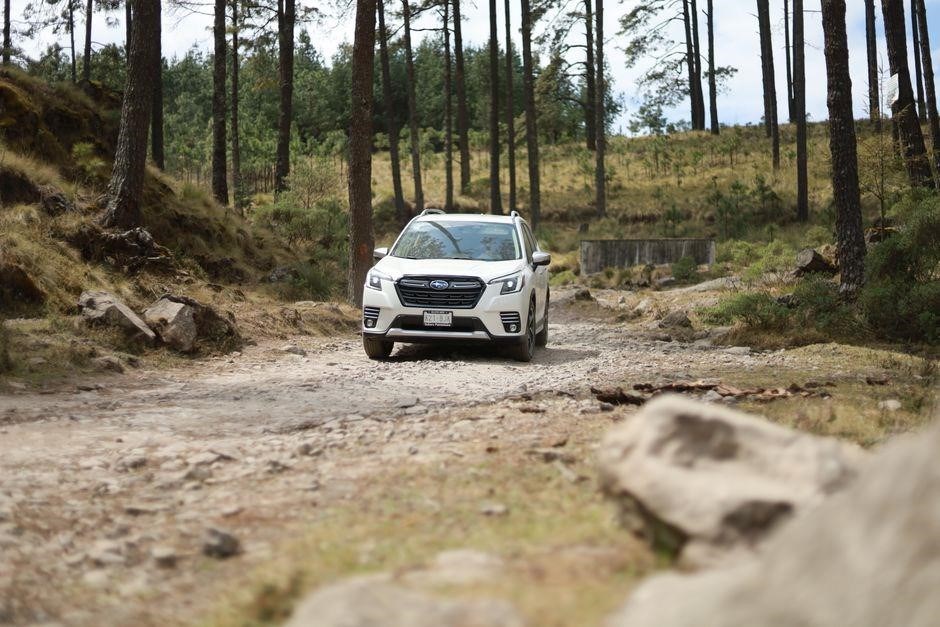
General Maintenance Guidelines
Follow the 2021 Ascent schedule: oil every 5‚000 miles‚ filter at 10‚000; inspect brakes at 5‚000; check fluids quarterly; replace cabin filter annually; maintain tire pressure; keep battery clean; use manufacturer‑approved parts; record all services. today.!
Frequency and Timing

Adhering to the 2021 Subaru Ascent maintenance schedule by mileage ensures optimal performance and longevity. The vehicle’s service intervals are defined by mileage milestones‚ not time‚ to match wear patterns of critical components. Oil and filter changes occur at 5‚000 miles‚ with a secondary check at 10‚000 miles. The transmission fluid is inspected at 15‚000 miles and replaced at 30‚000 miles. Brake pads and rotors are inspected at 5‚000 miles‚ with replacement recommended at 30‚000 miles or sooner if wear exceeds manufacturer specifications. Tire rotation and alignment checks are performed every 5‚000 miles to promote even tread wear. Cabin air filters are replaced at 15‚000 miles‚ and the engine coolant is flushed and replaced at 60‚000 miles. Spark plugs are replaced at 100‚000 miles‚ while the timing belt (if equipped) is inspected at 60‚000 miles and replaced at 100‚000 miles. Battery health is evaluated at 10‚000 miles‚ with replacement advised at 60‚000 miles or if voltage drops below 12.5 volts. All fluid levels—engine oil‚ transmission fluid‚ brake fluid‚ power steering‚ and coolant—are checked at each service interval. These mileage-based guidelines are designed to preempt component failure‚ reduce repair costs‚ and maintain warranty coverage. By following the prescribed intervals‚ owners can confidently drive their Ascent with confidence in reliability and safety.
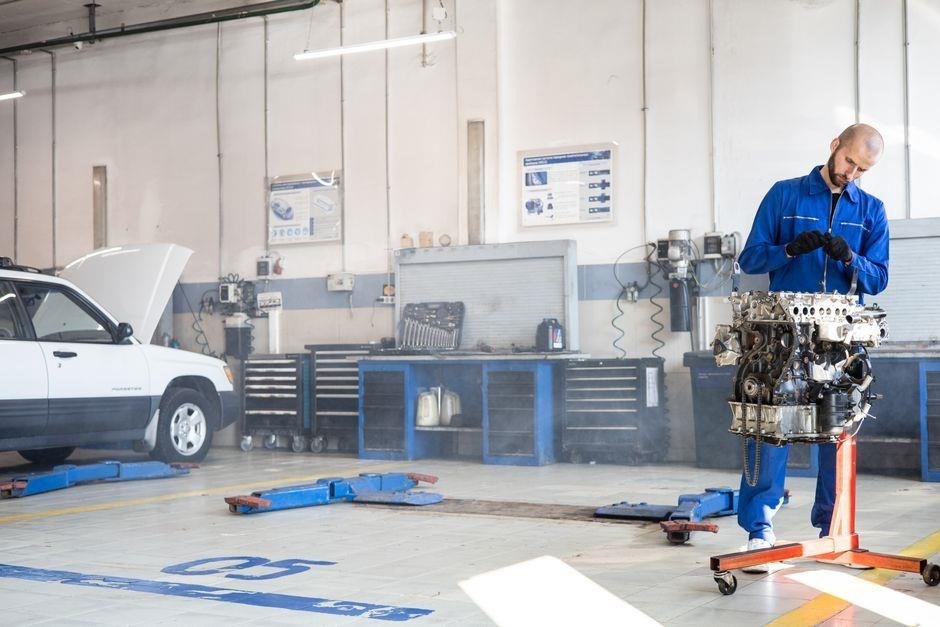
Owners should also monitor tire pressure and replace tires after 60‚000 miles to ensure traction and safety for safety and.
Tools and Parts Required
Below is a concise inventory of the essential tools and replacement parts you’ll need to execute the 2021 Subaru Ascent maintenance schedule by mileage. Having these items on hand before you begin will streamline each service interval and reduce downtime.
- 12‑mm and 14‑mm socket set (including deep sockets for wheel nuts)
- Torque wrench calibrated to 80 ft‑lb for wheel lug nuts and 20 ft‑lb for brake caliper bolts
- Oil filter wrench and a new oil filter (5.0 L capacity)
- Engine oil (synthetic 5W‑30‚ 5.0 L)
- Transmission fluid (ATF‑SP‚ 4.5 L)
- Brake fluid (DOT 4‚ 0.5 L)
- Coolant (antifreeze‚ 1 L)
- Replacement spark plugs (Iridium‚ 10 mm)
- Tire pressure gauge and a set of 12‑inch floor jack stands
- Jack and jack stands (rated for 5 tons)
- Wheel chocks and a torque‑adjustable wrench for the brake caliper
- Basic hand tools: screwdrivers‚ pliers‚ and a pry bar
- Safety gear: gloves‚ safety glasses‚ and a work apron
- Service manual or PDF reference for torque specs and step‑by‑step procedures
By assembling this toolkit before each mileage milestone‚ you’ll be prepared to perform oil changes‚ fluid checks‚ tire rotations‚ and other routine tasks with confidence and precision.
Ensure you keep a log to track service events and consult the owner’s manual for torque values and fluid specs.!
Follow the PDF guide for a hassle‑free upkeep routine.!
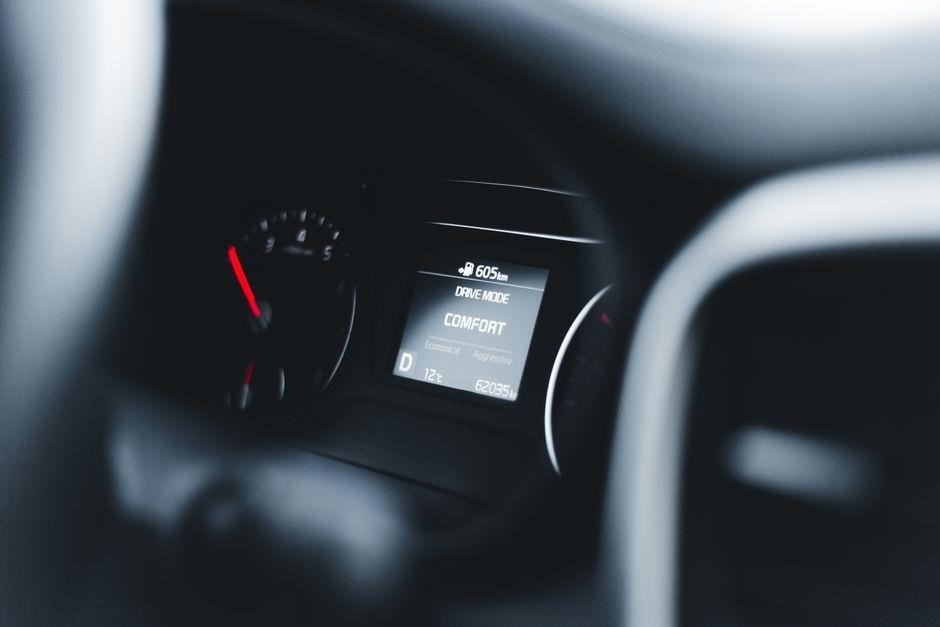
Maintenance at 1‚000 Miles
At 1‚000 miles‚ perform an oil and filter change‚ rotate tires‚ and check wheel alignment. Replace the oil filter‚ drain and refill engine oil‚ then rotate tires to even wear. Verify tire pressure and inspect brakes for wear. Update service log. Keep records!!

Oil and Filter Replacement
Oil and filter replacement is essential for the Subaru Ascent’s longevity. At 1‚000 miles‚ drain the engine oil and dispose of it responsibly. Install a fresh oil filter that matches Subaru’s specifications‚ ensuring the rubber seal is intact. Use the correct oil viscosity as recommended in the owner’s manual; synthetic blends typically provide better protection in varied climates. Tighten the drain plug to the specified torque to avoid leaks. Refill the engine with the proper oil volume and check the dipstick for the correct level. Start the engine‚ let it idle‚ and inspect the filter and drain plug for any leaks. A clean oil filter and fresh oil reduce engine wear‚ improve fuel efficiency‚ and maintain smooth acceleration. Record the service in the maintenance log‚ noting mileage‚ oil type‚ and filter brand. If the oil appears dark or gritty‚ consider a more frequent change or investigate potential internal wear. Regular oil changes also support the emission control system‚ keeping the vehicle compliant with regulations. By following this routine‚ you protect the engine‚ preserve warranty coverage‚ and enjoy reliable performance for years. Additionally‚ inspect the oil filter housing for cracks or corrosion‚ and replace the drain plug if it shows signs of wear. Check the oil level after a short drive to ensure no leaks have developed. Keep the oil filter and oil in a clean‚ dry place to prevent contamination. Following these steps will help maintain optimal engine performance and reduce long-term maintenance costs. Now! daily!
Tire Rotation and Alignment
Proper tire rotation and alignment are critical for the Subaru Ascent’s handling‚ tire longevity fuel economy. At the 1‚000‑mile service interval‚ perform a cross‑pattern rotation: front tires move to the rear on the same side‚ rear tires shift to the front opposite side. Use a torque wrench to tighten lug nuts to the manufacturer’s specification‚ typically 100–110 lb‑ft. After rotation‚ inspect each tire for uneven wear‚ sidewall damage or punctures. If any tire shows significant tread loss or a bulge‚ replace it before the next service. Following rotation‚ check the wheel alignment by measuring the camber‚ caster‚ and toe angles with a precision alignment kit. Adjust the suspension components to match the manufacturer’s tolerances; even a 1‑degree deviation can cause rapid tire wear and affect steering response. If the vehicle has a multi‑axis alignment system‚ ensure the computer diagnostics are cleared and the system is recalibrated. Record the rotation pattern‚ torque values‚ and alignment measurements in the maintenance log. Monitor tire pressure regularly‚ inflating to the recommended psi as specified in the door‑jamb placard. Maintaining proper pressure reduces rolling resistance and improves mileage. A well‑aligned and properly rotated set of tires not only extends tread life but also enhances safety by providing consistent traction and predictable handling characteristics. Schedule. Keep this PDF handy for quick reference during each service and update. Service records track maintenance!
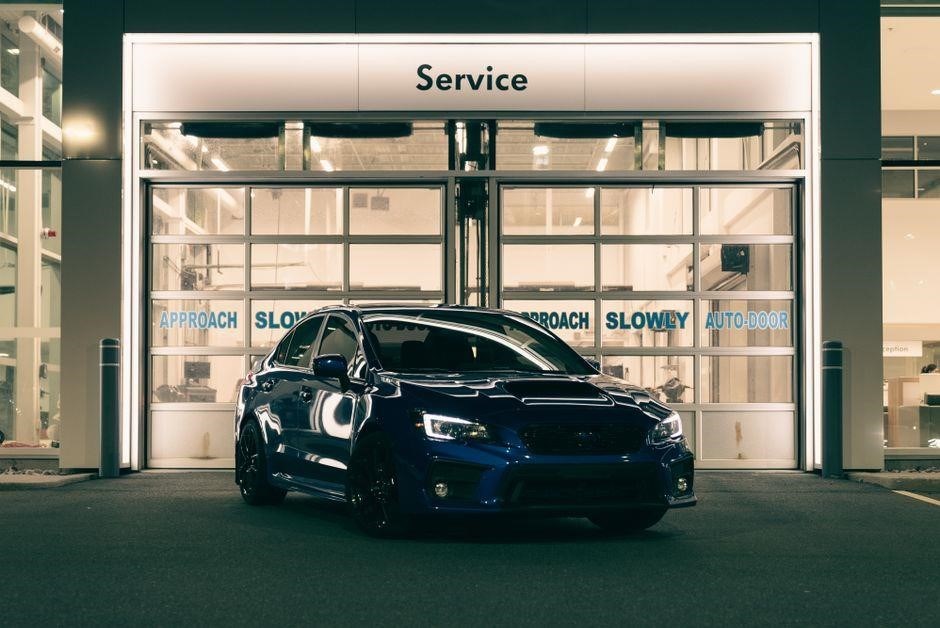
Maintenance at 5‚000 Miles
At 5‚000 miles‚ inspect brakes‚ check fluid levels‚ and verify battery health. Replace brake pads if wear exceeds 3mm. Top up engine‚ transmission‚ coolant‚ and brake fluid. Test battery voltage; replace if below 12.4V. Log all findings for future reference. Inspect suspension for wear and steer.
Brake System Inspection
Perform a comprehensive brake inspection at 5‚000 miles to ensure safety and performance. Begin by visually checking brake pads for wear; replace if thickness is below 3 mm. Inspect rotors for scoring‚ warping‚ or uneven wear. Measure pad and rotor thickness with a micrometer or caliper. Verify brake fluid level in the reservoir; top up with DOT‑4 fluid if below the minimum line. Inspect the fluid for contamination or discoloration; replace if dirty or cloudy. Check brake lines and hoses for leaks‚ bulges‚ or cracks; replace any compromised components. Test the brake pedal feel; it should be firm and responsive‚ not spongy or soft. Verify ABS functionality by observing the warning light on the dash during a brake test. Inspect the brake calipers for proper operation; they should engage and release smoothly.
Additional considerations include checking the brake master cylinder for proper operation‚ inspecting the brake booster for vacuum leaks‚ and verifying the parking brake lever or pedal for proper engagement. Use a torque wrench to tighten all brake hardware to manufacturer specifications‚ typically 70–80 ft‑lb for caliper bolts and 20–25 ft‑lb for wheel lug nuts. Apply brake cleaner to rotors and pads before reassembly to remove dust and oils. After reassembly‚ perform a test drive to confirm smooth braking performance and absence of squeal or vibration. Record all measurements‚ torque values‚ and any parts replaced in the vehicle’s maintenance log for future reference. All torque values must be verified with a calibrated torque wrench‚ and any deviations should be corrected immediately to prevent premature wear!
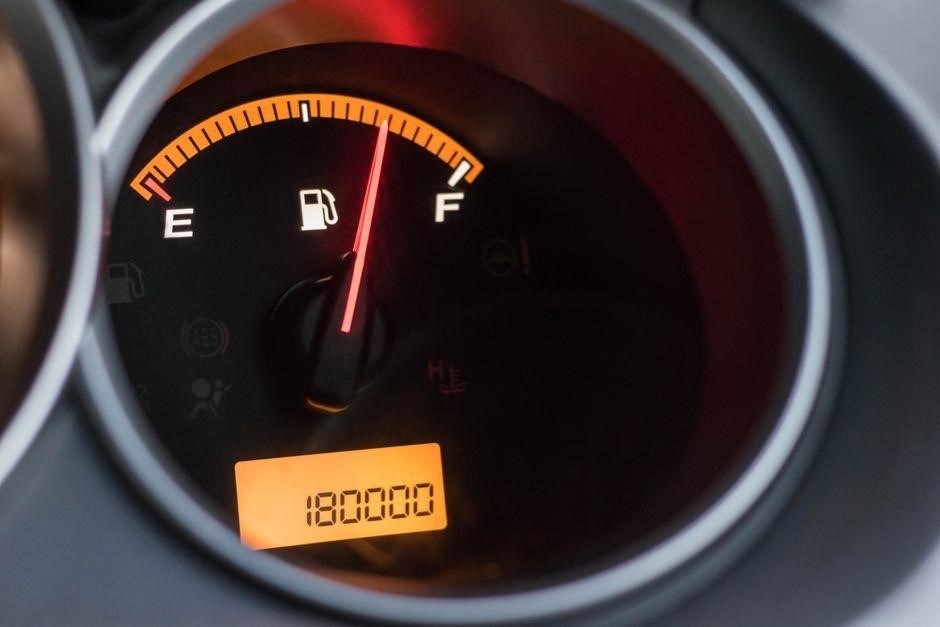
At the 5‚000‑mile service‚ a thorough fluid level check is essential to preserve the Subaru Ascent’s reliability. Start with engine coolant: open the reservoir cap‚ remove the cap‚ and inspect the level against the minimum and maximum marks. If the level falls below the minimum‚ top up with a 50/50 mix of distilled water and antifreeze‚ ensuring the mixture meets the manufacturer’s specifications. Next‚ examine the engine oil by pulling the dipstick‚ wiping it clean‚ and re‑inserting it to read the level. The oil should be within the recommended range and display a clear‚ amber hue. If the oil appears dirty or the filter is clogged‚ replace the oil and filter. Move to the transmission: remove the dipstick‚ wipe it‚ re‑insert‚ and read the level. The fluid should be a clear‚ reddish‑orange color sitting at the “Full” mark; if low‚ add the specified transmission fluid until full. Inspect the brake fluid reservoir: the fluid should be clear and free of debris. If cloudy or containing particles‚ replace with fresh DOT‑4 fluid and bleed the system to eliminate air pockets. Check the power‑steering fluid for adequate level and clarity; top up with the correct fluid if necessary. Finally‚ verify the differential and transfer case fluids (if equipped). Remove the dipstick‚ wipe clean‚ re‑insert‚ and read the level. The fluid should be dark amber and free of metal shavings. If low or contaminated‚ drain and replace with the correct type. Record all readings‚ any top‑ups‚ and part replacements in the maintenance log. Consistent fluid checks at each service interval help prevent overheating‚ reduce wear‚ and extend the life of critical components!
Battery and Electrical System Check
At the 5‚000‑mile interval‚ a comprehensive battery and electrical system inspection safeguards the Subaru Ascent’s performance and safety. Begin by visually inspecting the battery terminals for corrosion‚ loose connections‚ or damaged insulation. Clean corrosion with a baking‑soda solution and a wire brush‚ then tighten all terminal connections to the manufacturer’s torque specifications. Next‚ test the battery’s voltage using a digital multimeter; a healthy battery should read 12.6 V or higher at rest. If the voltage is below 12.4 V‚ consider a recharge or replacement. Inspect the alternator output by measuring the voltage while the engine is running; it should be between 13.5 V and 14.5 V. Verify the alternator’s belt tension and condition; replace any worn or frayed belts. Check all fuses and relays in the fuse box for continuity and proper operation; replace any blown fuses or faulty relays. Inspect the vehicle’s wiring harness for frayed or cracked insulation‚ especially around the engine bay and battery area. Look for signs of moisture or corrosion on connectors. Test the vehicle’s key‑less entry and immobilizer system by cycling the key fob and ensuring the immobilizer light behaves correctly. Finally‚ review the vehicle’s diagnostic trouble codes (DTCs) via an OBD‑II scanner; clear any non‑critical codes and verify that the system returns to a clean state. Log all findings‚ any replacements‚ and the battery’s state of health in the maintenance record to track performance over time. All data logged.!!