Mac and Cheese Microwave Instructions: A Comprehensive Guide
Discover the quickest path to creamy, comforting mac and cheese! This guide details everything, from pre-packaged cups to scratch recipes,
all tailored for microwave perfection.
Understanding Microwave Mac and Cheese Options
Microwaving mac and cheese offers incredible convenience, but understanding the available options is key to a satisfying result. You’ll primarily encounter two routes: pre-packaged, single-serving cups and preparing mac and cheese from scratch directly in the microwave.
Single-serving cups, like those from Kraft or Velveeta, are designed for speed and simplicity. They contain pre-portioned pasta and cheese sauce, requiring only water and a short microwave time. These are ideal for quick lunches or snacks.
From-scratch microwave mac and cheese, while requiring a bit more effort, allows for customization. You’ll cook the pasta directly in water within the microwave, then add your choice of cheese and milk or butter to create a creamy sauce. This method provides greater control over ingredients and flavor profiles, letting you experiment with different cheeses like cheddar or Monterey Jack.
Ultimately, the best option depends on your time constraints and preference for control over ingredients. Both methods deliver a warm, comforting meal in minutes!
Pre-Packaged Single-Serving Cups
Pre-packaged single-serving mac and cheese cups represent the pinnacle of convenience for a quick and easy meal. Brands like Kraft and Velveeta dominate this space, offering a consistent and readily available option. These cups typically contain dehydrated pasta and a powdered cheese sauce mix, requiring only the addition of water before microwaving.
The beauty of these cups lies in their simplicity. No measuring, no multiple ingredients – just add water to the fill line, stir, and microwave. Cooking times generally range from 1 to 2 minutes on high power, though it’s always best to check the package instructions for specific guidance.
These cups are perfect for students, office lunches, or anyone seeking a fast, comforting snack. While customization is limited, they provide a reliable and satisfying mac and cheese experience with minimal effort. They are a staple for quick, individual portions.
Kraft Macaroni & Cheese Cups Instructions
To prepare a Kraft Macaroni & Cheese cup, begin by removing the lid and the moisture packet. Add ¾ cup of water to the fill line inside the cup. Stir well to ensure the pasta and cheese powder are evenly distributed. This initial mixing is crucial for a smooth, consistent texture.
Next, replace the lid loosely, leaving a small vent for steam to escape. Microwave on high for 3 ½ minutes. Exercise caution when removing the cup, as it will be hot! Carefully stir the mac and cheese again to fully melt the cheese sauce and ensure even heating throughout.
If the mac and cheese appears too thick, add a tablespoon of water and stir. For a creamier consistency, consider adding a small pat of butter. Allow to cool slightly before enjoying this classic, convenient comfort food. Always follow package directions for optimal results.
Velveeta Shells & Cheese Microwave Instructions
Preparing Velveeta Shells & Cheese in the microwave is remarkably simple. Begin by emptying the contents of the box into a microwave-safe bowl – no need to separate pasta and cheese! Add 1 cup of water to the bowl, ensuring the shells are fully submerged. Stir the mixture thoroughly to combine the pasta, cheese sauce, and water.
Cover the bowl with a microwave-safe lid or plastic wrap, leaving a small vent for steam. Microwave on high for 3 minutes and 30 seconds. Carefully remove the bowl from the microwave, as it will be hot. Stir vigorously to melt the Velveeta cheese completely and achieve a creamy, smooth texture.
Let it stand for one minute before enjoying. If a thicker consistency is desired, microwave for an additional 30 seconds, stirring again. Velveeta’s signature creamy texture makes this a quick and satisfying meal.
Annie’s Homegrown Mac & Cheese Microwave Instructions
Annie’s Homegrown Mac & Cheese microwave instructions vary slightly depending on the specific product, so always check the box! Generally, empty the contents – pasta and cheese powder – into a microwave-safe bowl. Add ¾ cup of water. Stir well to ensure the cheese powder is fully dissolved in the water before microwaving.
Cover the bowl with a microwave-safe lid or vented plastic wrap. Microwave on high for 2 minutes and 30 seconds. Carefully remove the bowl (it will be hot!) and stir thoroughly. This step is crucial for even cheese distribution and a creamy texture.
If the cheese isn’t fully melted, continue microwaving in 30-second intervals, stirring after each, until desired consistency is reached. Annie’s often uses real cheese, so a little extra time may be needed for complete melting.
From Scratch Microwave Mac and Cheese: Ingredients
Embark on creating homemade mac and cheese in minutes! You’ll need ½ cup of elbow macaroni (or your preferred pasta shape), 1 cup of water, ¼ cup of milk, and ½ cup of shredded cheese. Choosing the right cheese is key – cheddar, Monterey Jack, or a blend work wonderfully. A tablespoon of butter adds richness, though it’s optional.
For seasoning, a pinch of salt, pepper, and a dash of garlic powder elevate the flavor. Consider adding a sprinkle of paprika for color and a subtle smoky note. These simple ingredients transform into a comforting meal with minimal effort. Don’t hesitate to experiment with different cheese varieties to find your perfect combination!
Having these readily available will streamline the microwave cooking process, ensuring a quick and delicious result. Quality ingredients equal a superior final product.
Choosing the Right Cheese
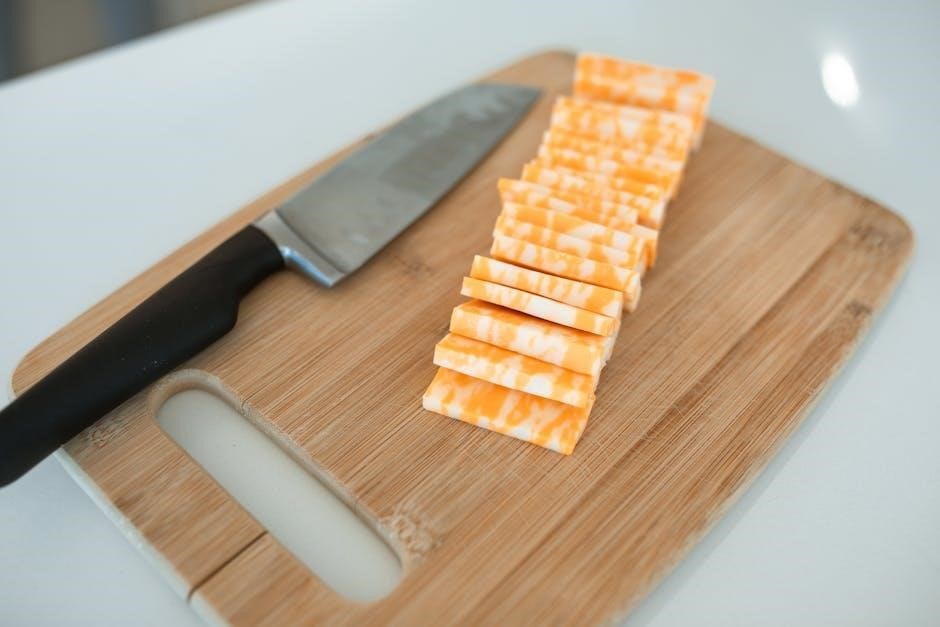
Selecting the ideal cheese is paramount for a truly satisfying microwave mac and cheese experience. While Velveeta is a classic choice, offering a reliably smooth melt, cheddar provides a sharper, more robust flavor. Monterey Jack contributes a mild, buttery taste, blending beautifully with other cheeses.
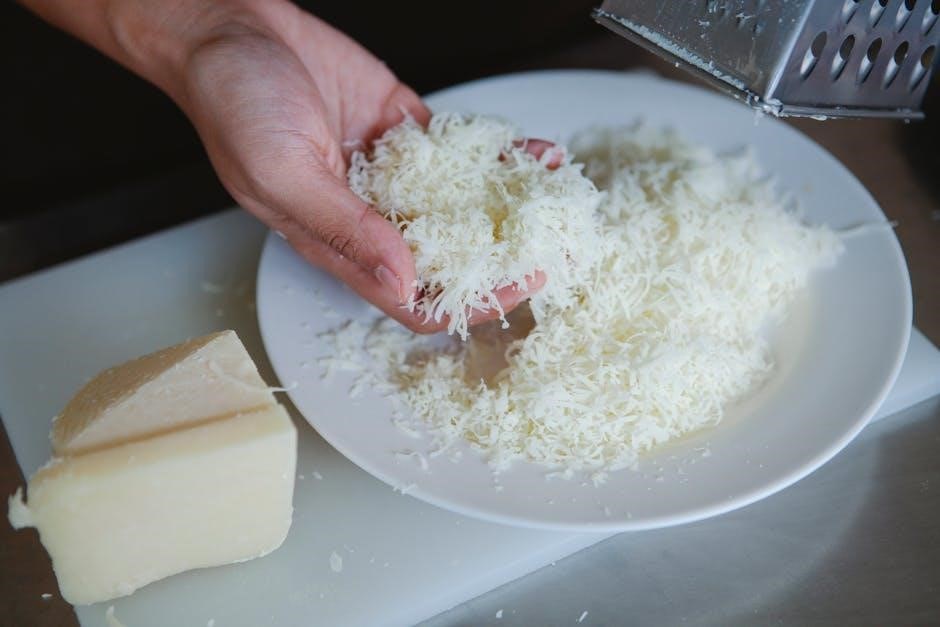
Experimentation is encouraged! Consider a blend of cheddar and Monterey Jack for a balanced profile, or incorporate Gruyère for a nutty complexity. Pre-shredded cheese melts quickly, but freshly grated cheese often yields a creamier texture. Avoid using overly aged cheeses, as they may not melt as smoothly.
Ultimately, the best cheese is the one you enjoy most. Don’t be afraid to explore different varieties and find your personal preference for the perfect microwave mac and cheese!
Pasta Selection for Microwave Cooking
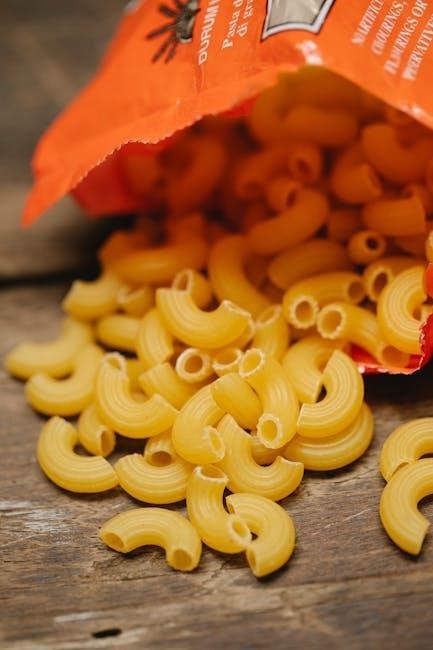
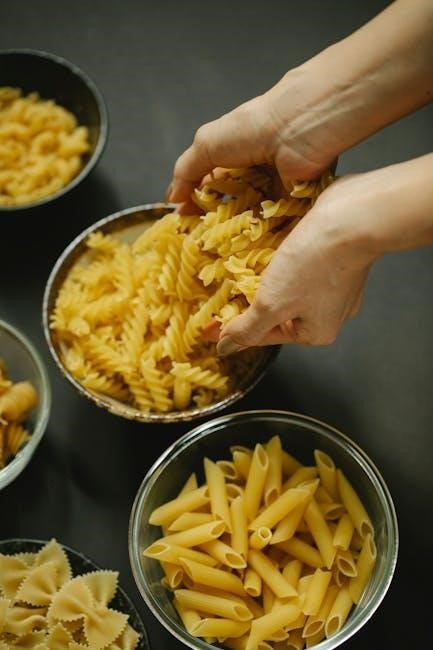
Choosing the right pasta shape significantly impacts the microwave mac and cheese outcome. Smaller shapes, like elbow macaroni, cook more evenly and efficiently in the microwave compared to larger varieties. Shells are also a good option, effectively trapping the cheese sauce within their curves.
Consider the pasta’s texture; avoid thicker, ridged pastas that may remain undercooked in the center. While any pasta can be microwaved, finer options ensure a more consistent result. Pre-cooked pasta isn’t recommended, as it can become mushy during reheating.

Experiment with different shapes to discover your preference, but prioritize smaller, smoother varieties for optimal microwave cooking. Remember, even cooking is key, and the right pasta choice contributes greatly to achieving that perfect texture!
Microwave Mac and Cheese: Step-by-Step Instructions
Begin by combining your chosen pasta with ample water in a microwave-safe bowl – ensure the pasta is fully submerged. Next, microwave on high for the initial cooking phase, typically around 3-4 minutes, checking for doneness. Carefully drain any remaining water, leaving a small amount to aid sauce creation.
Now, add milk and your preferred cheese, stirring well to initiate melting. Return the bowl to the microwave for short bursts – 30 seconds at a time – stirring vigorously between each interval. Continue this process until the cheese is fully melted and the sauce is smooth and creamy. Finally, allow to stand for a minute before enjoying your perfectly microwaved mac and cheese!
Cooking the Pasta in the Microwave
Start with a generous amount of water in a deep, microwave-safe bowl – at least 4 cups for a standard serving. Add your pasta of choice, ensuring it’s completely submerged; this is crucial for even cooking. Microwave on high power for the initial cooking time, generally 3-5 minutes, depending on the pasta type and your microwave’s wattage.
Carefully check the pasta’s tenderness after the initial time. If it’s still firm, continue microwaving in 30-second intervals, stirring between each burst. Be cautious, as the bowl and water will be very hot! Once the pasta is cooked to your liking, drain most of the water, leaving about ¼ cup to help create a creamy sauce. This method offers a surprisingly effective alternative to boiling on the stovetop.
Adding Water and Milk
After cooking the pasta, retaining a small amount of the starchy water is key to a smooth sauce. Add approximately ¼ cup of water to the cooked pasta in the microwave-safe bowl. Next, incorporate milk – about ½ cup is a good starting point – for added creaminess. The type of milk influences the richness; whole milk yields the most decadent result, while lower-fat options work well too.
Stir thoroughly to combine the pasta, water, and milk. Microwave for another minute on medium power, stirring halfway through. This gentle heating helps the liquids emulsify and begin to thicken. Adjust the amount of milk based on your desired consistency; add more for a thinner sauce, or less for a thicker one. This step sets the stage for the cheese to melt beautifully.
Incorporating the Cheese
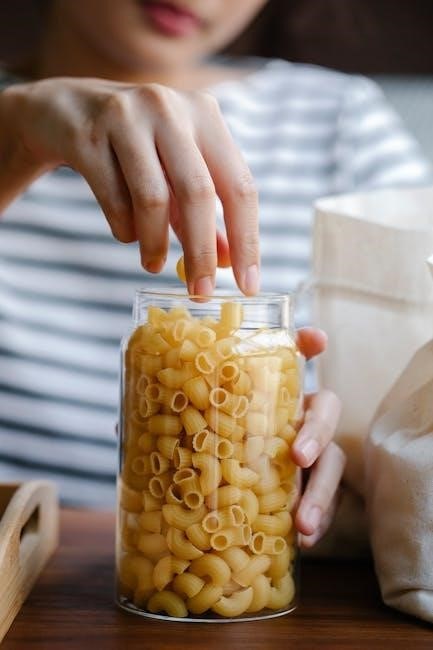
Now for the star of the show! Gradually add your chosen cheese – about 1 to 1 ½ cups for a standard serving – to the pasta and milk mixture. Velveeta melts exceptionally well, creating a supremely smooth sauce, while cheddar offers a classic flavor. Monterey Jack is also a fantastic choice for its meltability. Start with smaller additions, stirring continuously after each addition.
Microwave in 30-second intervals on medium power, stirring vigorously after each interval. This prevents the cheese from clumping and ensures even melting. Continue this process until the cheese is completely melted and the sauce is creamy and homogenous. Don’t rush this step; patience is key to avoiding a grainy texture. A smooth, luscious cheese sauce is the ultimate goal!
Microwave Cooking Times: A Detailed Breakdown
Understanding microwave cooking times is crucial for perfect mac and cheese. Single-serving cups generally require 1-2 minutes on high power, but always check package instructions. For a full box, begin with 3-4 minutes on high, then assess the consistency. Remember, these are starting points!
Cooking time significantly varies based on your microwave’s wattage. Higher wattage microwaves cook faster. If your microwave is 1000 watts, reduce initial cooking time by 30 seconds. Conversely, for lower wattage models (700 watts or less), add an extra minute. The total cooking duration typically falls between 5 to 10 minutes, depending on whether you’re using pre-packaged or scratch-made mac and cheese. Regular checks and stirring are vital.
Single-Serving Cups: Optimal Time
For the ultimate convenience, single-serving mac and cheese cups are a quick win. Generally, these require between 1 to 2 minutes of cooking on high power in the microwave. However, always prioritize checking the specific instructions printed on the cup itself, as brands and formulations can vary.
Start with 1 minute and 30 seconds, then stir thoroughly. If the cheese isn’t fully melted and the pasta isn’t tender, continue microwaving in 15-second intervals, stirring after each burst. Be cautious to avoid overcooking, which can lead to a rubbery texture or boil-overs. A bubbly, smooth consistency indicates it’s ready. Allow it to stand for a minute before enjoying to prevent burns!
Full Boxes: Initial Cooking Time
When tackling a full box of mac and cheese in the microwave, a slightly longer cooking time is necessary compared to single-serving cups. A good starting point is 3 to 4 minutes on high power. This initial burst aims to cook the pasta and begin the cheese melting process.
Remember, this is just a baseline; adjustments will likely be needed based on your microwave’s wattage and the specific brand of mac and cheese. After the initial cook time, carefully remove the dish (it will be hot!) and stir vigorously. Check for pasta tenderness and cheese melt. Continue microwaving in 30-second intervals, stirring between each, until the desired consistency is achieved. Avoid prolonged, uninterrupted cooking to prevent sticking and uneven heating.
Adjusting Cooking Time Based on Microwave Wattage
Microwave wattages vary significantly, impacting cooking times. Higher wattage microwaves (1000 watts or more) will cook faster, while lower wattage models (700 watts or less) require longer cooking durations. For a 700-watt microwave, increase the initial cooking time by 30-60 seconds. Conversely, reduce the time by 30-60 seconds for a 1200-watt microwave.
Always start with the recommended time for your mac and cheese package and adjust incrementally. It’s better to undercook slightly and add more time in 15-30 second intervals than to overcook and end up with a dry or rubbery texture. Pay close attention during these adjustments, stirring thoroughly after each interval to ensure even heating; Understanding your microwave’s power is key to microwave mac and cheese mastery!
Achieving the Perfect Texture
The quest for perfect mac and cheese texture hinges on a few key techniques. For creamy results, avoid overcooking; slightly al dente pasta absorbs more sauce. Stirring is paramount – do it frequently, every 30 seconds, to distribute heat and prevent sticking. This ensures the cheese melts evenly and the sauce doesn’t become gluey.
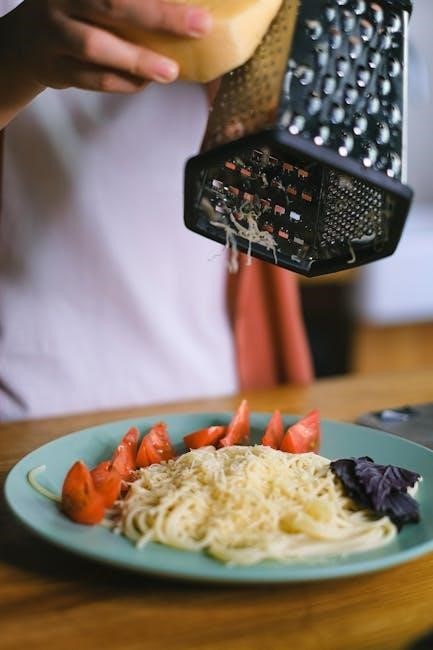
If the mac and cheese seems too thick, add a splash of milk or water, stirring until you reach your desired consistency. Conversely, if it’s too watery, continue microwaving for short bursts, stirring constantly. Don’t be afraid to experiment! Ultimately, the perfect texture is a matter of personal preference – creamy, smooth, or with a slight bite.
Preventing Boilovers
Microwaving mac and cheese can be prone to messy boilovers, but a few precautions can keep your microwave clean. Always use a deep enough microwave-safe bowl; the sauce expands as it heats. Start with a lower power level – 50% or 70% – and increase cooking time accordingly. This allows for more controlled heating and reduces the likelihood of rapid bubbling.
Frequent stirring is crucial, not only for texture but also to release steam and prevent pressure buildup. Consider covering the bowl loosely with a microwave-safe lid or plastic wrap (vented!), but be cautious when removing it – steam will escape. If a boilover does occur, immediately stop the microwave and carefully clean the interior before resuming.
Stirring for Even Heating
Consistent stirring is paramount when microwaving mac and cheese, ensuring a uniformly heated and creamy result. Microwaves don’t always heat food evenly, leading to hot spots and pockets of uncooked pasta or unmelted cheese. Stir thoroughly after each minute of cooking, reaching all areas of the bowl.
This redistributes the heat, allowing the pasta to cook consistently and the cheese sauce to emulsify properly. Pay particular attention to the edges and bottom of the bowl, where heat tends to concentrate. Stirring also prevents the formation of a skin on top of the sauce and helps to avoid boilovers by releasing steam. Regular agitation guarantees a smooth, delightful mac and cheese experience!
Adding a Crispy Top (Broiling Method)
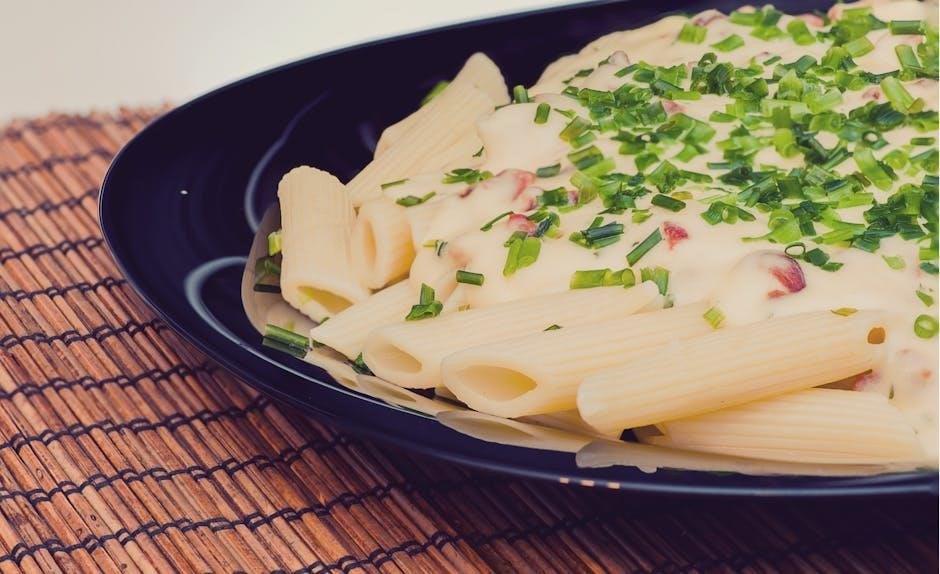
For those who crave textural contrast, a broiled topping elevates microwaved mac and cheese to new heights! After microwaving to achieve a bubbly, melted base, carefully transfer the mac and cheese to an oven-safe dish. Ensure the dish is suitable for high temperatures.
Place the dish under the broiler, keeping a close watch to prevent burning. Broil for just a few minutes – typically 2 to 5 – until the top is golden brown and delightfully crispy. A light sprinkling of breadcrumbs or a dusting of paprika before broiling can enhance the flavor and appearance. Remember to use oven mitts when handling the hot dish, and never leave it unattended under the broiler!
Troubleshooting Common Issues
Even with careful timing, microwave mac and cheese can sometimes present challenges. If your mac and cheese is too watery, try microwaving for an additional 30 seconds to 1 minute, stirring well. Alternatively, a tablespoon of cornstarch mixed with a little cold milk can thicken it.
Cheese not fully melted? Continue microwaving in 15-second intervals, stirring between each, until smooth and creamy. Undercooked pasta is another common issue; add a splash of water or milk and microwave for a further minute, stirring frequently. Remember microwave wattages vary, so adjustments are often needed. Don’t be afraid to experiment with short bursts of cooking time to achieve the perfect consistency!
Mac and Cheese is Too Watery
A common frustration with microwave mac and cheese is excess liquid. If your creation resembles soup more than a creamy dish, don’t despair! First, ensure you’ve used the correct water-to-pasta ratio – too much water is the primary culprit. Continue microwaving for an additional 30 seconds to 1 minute, stirring vigorously. This allows some of the excess moisture to evaporate.
For a more substantial fix, whisk together a tablespoon of cornstarch with a small amount of cold milk until smooth. Stir this slurry into the watery mac and cheese and microwave for another 30 seconds, stirring constantly. The cornstarch will act as a thickening agent, creating a more desirable texture. Remember to stir well to prevent clumps!
Cheese Isn’t Fully Melted
Encountering pockets of unmelted cheese in your microwaved mac and cheese is a frequent issue. The key is ensuring even heat distribution. First, pause the microwave halfway through the cooking time and stir thoroughly, bringing any unmelted cheese to the surface. Continue microwaving in 30-second intervals, stirring after each burst, until the cheese is completely smooth and melted.
If using pre-packaged cups, ensure you’ve added the correct amount of water as directed, as insufficient liquid can hinder melting. For homemade versions, grating the cheese finely promotes faster and more uniform melting. Consider adding a splash of milk or cream alongside the cheese; the extra moisture aids in creating a creamy, melted consistency. Don’t rush the process – patience is key!
Pasta is Undercooked
Finding your microwaved mac and cheese features stubbornly firm pasta is a common frustration. Microwaves don’t always cook pasta evenly, so adjustments are often needed. Initially, ensure you’re using enough water – the pasta needs to be fully submerged. If the pasta remains undercooked after the initial cooking time, add a tablespoon or two more water and continue microwaving in 30-second intervals.
Stirring frequently during the cooking process is crucial for even heat distribution. For scratch-made versions, smaller pasta shapes generally cook more quickly and evenly in the microwave. Consider letting the mac and cheese stand for a minute or two after microwaving; residual heat will continue to cook the pasta. Remember microwave wattages vary, so experimentation is key to finding the perfect timing for your appliance.

Safety Precautions When Microwaving Mac and Cheese
Microwaving mac and cheese is convenient, but safety is paramount. Always use microwave-safe containers – glass or plastic specifically labeled for microwave use. Avoid metal containers, as they can cause sparks and damage your microwave. Be extremely cautious when removing the dish, as it will be very hot. Use oven mitts or pot holders to protect your hands.
Steam can build up inside the container, so vent it slightly before removing the lid or cover. Stir the mac and cheese carefully to avoid splattering hot cheese. Never allow children to handle hot dishes from the microwave unsupervised. Ensure the mac and cheese reaches a safe internal temperature to prevent any potential foodborne illness. Prioritize caution and mindful handling for a safe and enjoyable meal.
Using Microwave-Safe Containers
Selecting the right container is crucial for safe and effective microwave mac and cheese preparation. Opt for dishes explicitly labeled “microwave-safe,” typically made of glass or specific types of plastic. Avoid using metal containers, foil, or dishes with metallic trim, as these can cause arcing and potentially damage your microwave. Ensure the container is free from cracks or chips, as these can weaken during heating.
Deep bowls are preferable to prevent boilovers, a common issue with mac and cheese. Consider the size of your portion; don’t overfill the container, leaving space for expansion. Remember that some plastics can absorb odors or stains, so glass is often a better long-term choice. Always check the container’s temperature tolerance before use, and never use containers not designed for microwave heating.
Handling Hot Dishes
Microwaved mac and cheese dishes can become extremely hot, requiring careful handling to prevent burns. Always use oven mitts or pot holders when removing the container from the microwave; even if the dish feels cool to the touch, the contents are likely scalding. Avoid using damp cloths, as steam can quickly transfer heat to your hands.
Place the hot dish on a stable, heat-resistant surface, like a wooden trivet or countertop protector. Be cautious of escaping steam when stirring or adding ingredients, as it can cause burns. Allow the mac and cheese to cool slightly before serving, especially for children. Never let the container sit unattended while hot, and supervise children closely when they are eating microwaved food.